[VT | August 27, 2026 | Philadelphia PA]
Three Chinese American members of Congress condemned remarks on Timcast IRL questioning the loyalties of Chinese Americans in a hypothetical U.S.-China war.
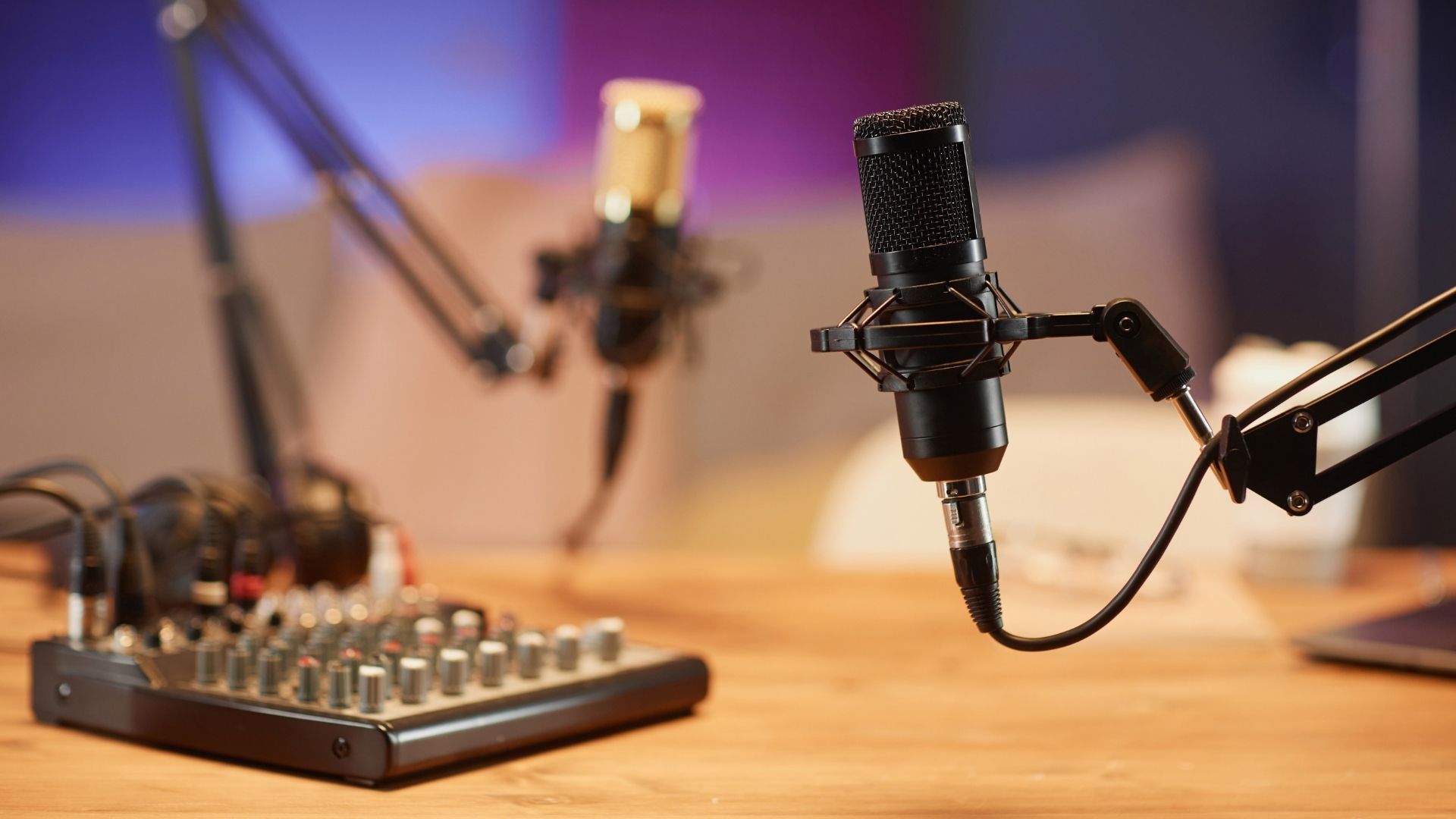
During an August 14 episode of the political podcast Timcast IRL, panelist Ian Crossland raised the question of whether the United States should “intern all the Chinese Americans we can find” in a hypothetical war with China, saying that “it kind of seems like we should.”
Crossland later said he did not want to implicate all Chinese Americans because “that’s horrific,” but continued to ask how authorities could determine “who’s who,” where Chinese Americans’ allegiances lie, and whether those allegiances might change as the course of a war shifted. Tim Pool, the founder of Timcast IRL, was not present for the episode.
Other participants did not uniformly endorse the premise. Guest Kevin Smith explicitly said he was “not saying you should” carry out such incarceration. Phil Labonte later argued that even entertaining some arguments can implicitly treat them as a “reasonable perspective.”
On August 26, Congressional Asian Pacific American Caucus Chair Grace Meng, House Democratic Caucus Vice Chair Ted Lieu, and CAPAC Chair Emerita Judy Chu — all Chinese American members of Congress — issued a joint statement condemning the remarks.
The lawmakers said the discussion invoked “centuries-old racist tropes that cast Chinese Americans as perpetual foreigners and question their loyalty to the United States.” They cited the Asian American Foundation’s 2026 STAATUS Index, which found that one in five Americans were concerned about Chinese Americans posing a threat to U.S. society.
Meng, Lieu and Chu also connected the remarks to the World War II incarceration of Japanese Americans, calling a return to one of the “darkest chapters in U.S. history” dangerous and unacceptable.
The questions of ancestry and loyalty raised by the controversy extend beyond this particular dispute.
Britain, Germany, Italy, Japan, Russia and Iran have each had periods of major conflict with the United States while also being ancestral homelands for Americans. The relationship between governments can change dramatically across generations; ancestry does not.
President Donald Trump’s own family history offers one example. His grandfather Friedrich Trump was born in Germany, while his father, Fred Trump, was born in New York but for years publicly described the family as Swedish. Donald Trump later acknowledged that the family’s German background was less advantageous during a period when the United States had been at war with Germany.
Tim Pool has also publicly discussed his Korean ancestry. After the 2021 Atlanta-area spa shootings killed eight people, including six Asian women and four women of Korean ethnicity, Meng, Lieu and Chu were among the members of Congress who publicly spoke for the victims and against anti-Asian violence.
That history gives the phrase “perpetual foreigner” significance beyond a single news cycle. International relationships change. An American’s ancestry should not become a recurring test of loyalty when they do. Chinese Americans should not have to prove that they are American today, only for Korean, Japanese, German, Russian, Iranian or other Americans to face the same test tomorrow.