[VT | May 6, 2026 | Washington, D.C.]
21% of U.S. adults say Chinese Americans pose a threat to society, as new report highlights identity, trust, and immigrant information gaps
As debates over immigration, national identity, and social belonging continue to intensify across the United States, a new national survey suggests that public perceptions toward Asian American communities — particularly Chinese Americans — remain deeply divided.
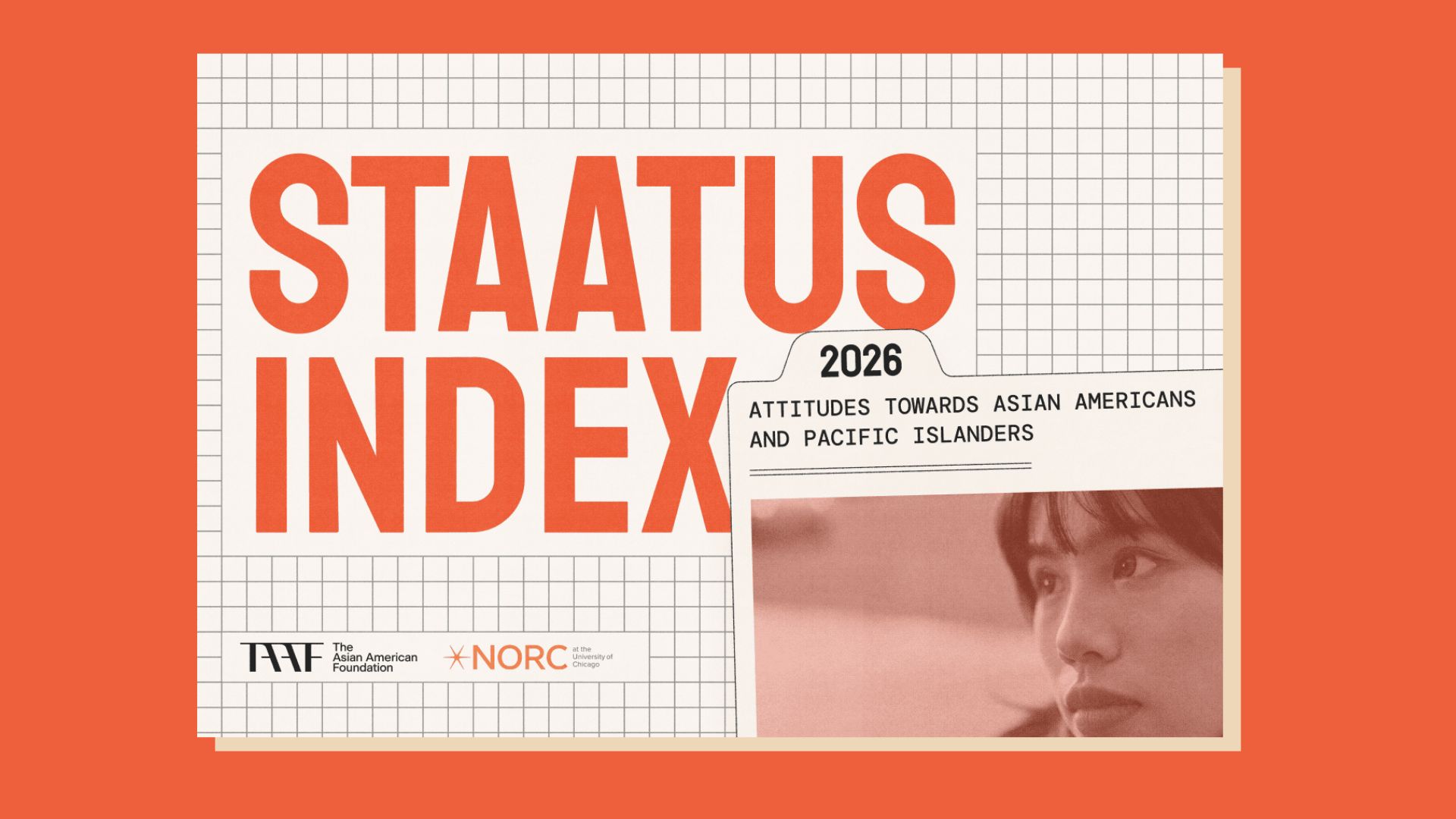
The 2026 STAATUS Index, released by The Asian American Foundation (TAAF) in partnership with NORC at the University of Chicago, found that 21% of U.S. adults believe Chinese Americans “pose a threat to U.S. society in some way,” while 23% believe Asian Americans are “more loyal to their country of origin than to the United States.”
The report argues that, as the United States approaches its 250th anniversary, the country remains divided over a fundamental question:
Who gets to be considered “truly American”?
Definitions of “American identity” remain sharply divided
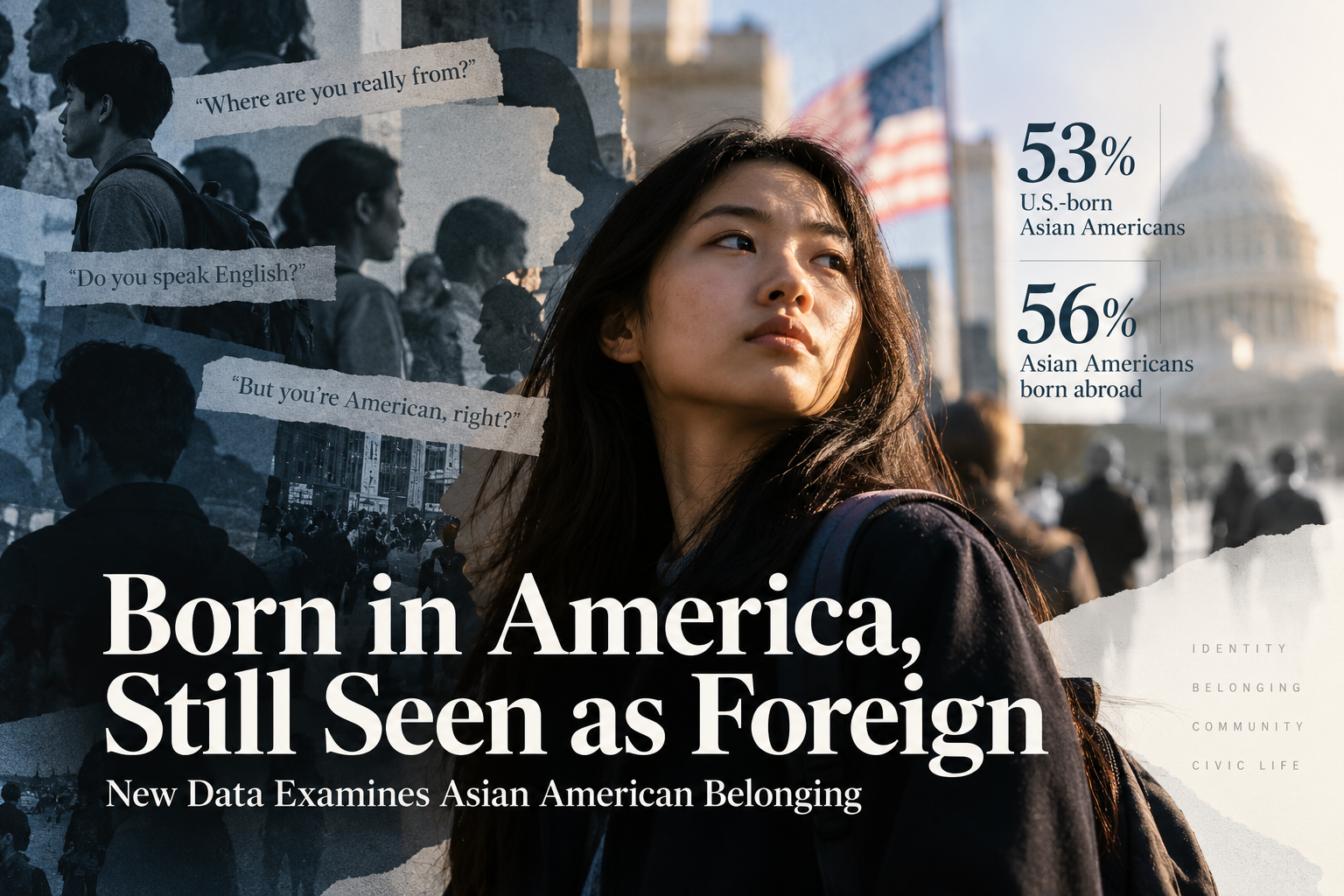
According to the survey, half of U.S. adults say being born in the United States is important to being “truly American.” In contrast, 77% of Asian American and Pacific Islander (AAPI) respondents say it is not important.
The report also found that:
- 93% of AAPI respondents say being white is not important to being American
- 84% say being Christian is not important
- Yet 82% still believe speaking English remains important to American identity
Researchers say these findings reflect a broader and more inclusive understanding of American identity among AAPI communities, while parts of the broader public continue to associate belonging with birthplace, race, and cultural background.
Asian Americans are viewed as “successful,” yet still experience insecurity and exclusion
The report notes that Asian Americans are widely perceived by the public as successful, educated, and economically well-positioned.
When asked to place Asian Americans on the U.S. social ladder, the public gave them an average score of 7 out of 10, with 82% placing Asian Americans in the upper half of society.
The most common words Americans used to describe Asian Americans included:
- “Intelligent / smart / educated” (41%)
- “Hardworking” (28%)
- “Respectful / polite” (13%)
At the same time, AAPIs were the only major racial group whose dominant emotion was “worry” rather than “hope.”
44% of AAPI respondents described worry as their primary feeling about life today, compared with 40% who said hope.
The report connects this contradiction to the long-standing “model minority” stereotype and the “perpetual foreigner” narrative, in which Asian Americans are often viewed as successful but not fully accepted as belonging in the United States.
Public understanding of Asian American history and experiences remains limited
Despite the growing visibility of Asian Americans in technology, education, business, entertainment, and food culture, the report found that public understanding of AAPI history and lived experiences remains limited.
According to the survey:
- 53% of U.S. adults could not name a significant event in Asian American history
- 39% could not name a famous Asian American
- 26% said they have no Asian American friends, neighbors, coworkers, or family connections
The report also found that most Americans learn about Asian Americans primarily through:
- social media
- entertainment and popular culture
- news outlets
rather than through direct personal relationships.
Immigrant information gaps remain an underexamined issue
One important limitation noted in the report is that the survey was conducted primarily in English.
For many immigrant communities that rely on Chinese, Vietnamese, Korean, and other non-English information environments, pathways to understanding American public life often differ significantly from those of English-dominant audiences.
For many first-generation Chinese immigrants, information about:
- elections
- immigration policy
- taxes
- public safety
- schools
- government programs
is often accessed through translated content, overseas Chinese-language media, social media platforms, and fragmented information shared within WeChat-based ecosystems.
Within these fragmented information environments, narratives about the United States can become highly emotional, inconsistent, or disconnected from local civic realities.
At the same time, the Chinese-language media landscape itself contains multiple competing narratives shaped by different historical and political contexts, including:
- mainland Chinese media
- legacy Hong Kong media
- Taiwanese media
- overseas Chinese-language digital commentary platforms
As a result, many immigrants may physically live in the United States while still lacking direct access to trusted, locally grounded civic information about how American institutions and public systems function.
“How to directly understand America” is becoming a new civic question
In recent years, public institutions, universities, and foundations across the United States have increasingly focused on immigrant information ecosystems — how multilingual communities receive, interpret, and share information about American public life.
For immigrant communities that rely heavily on non-English information environments, building trusted and accessible civic information channels is becoming an increasingly important part of immigrant civic integration.
The 2026 STAATUS Index concludes that Asian Americans are becoming more visible in American society, but that recognition and understanding have not kept pace.
As America’s population continues to diversify, multilingual civic communication and institutional accessibility may become one of the country’s most important democratic and social challenges.
For many immigrant communities, the central question may no longer simply be whether they live in America — but whether they have meaningful opportunities to directly understand America itself.