[VT | November 25, 2026 | Washington, DC]
The Office of the United States Trade Representative (USTR) announced Wednesday that it had determined that policies and practices contributing to structural excess capacity in manufacturing across 14 economies are unreasonable and burden U.S. commerce. The agency proposed a new round of tariffs under Section 301 of the Trade Act of 1974, targeting 12 Asian economies, the European Union and Switzerland.
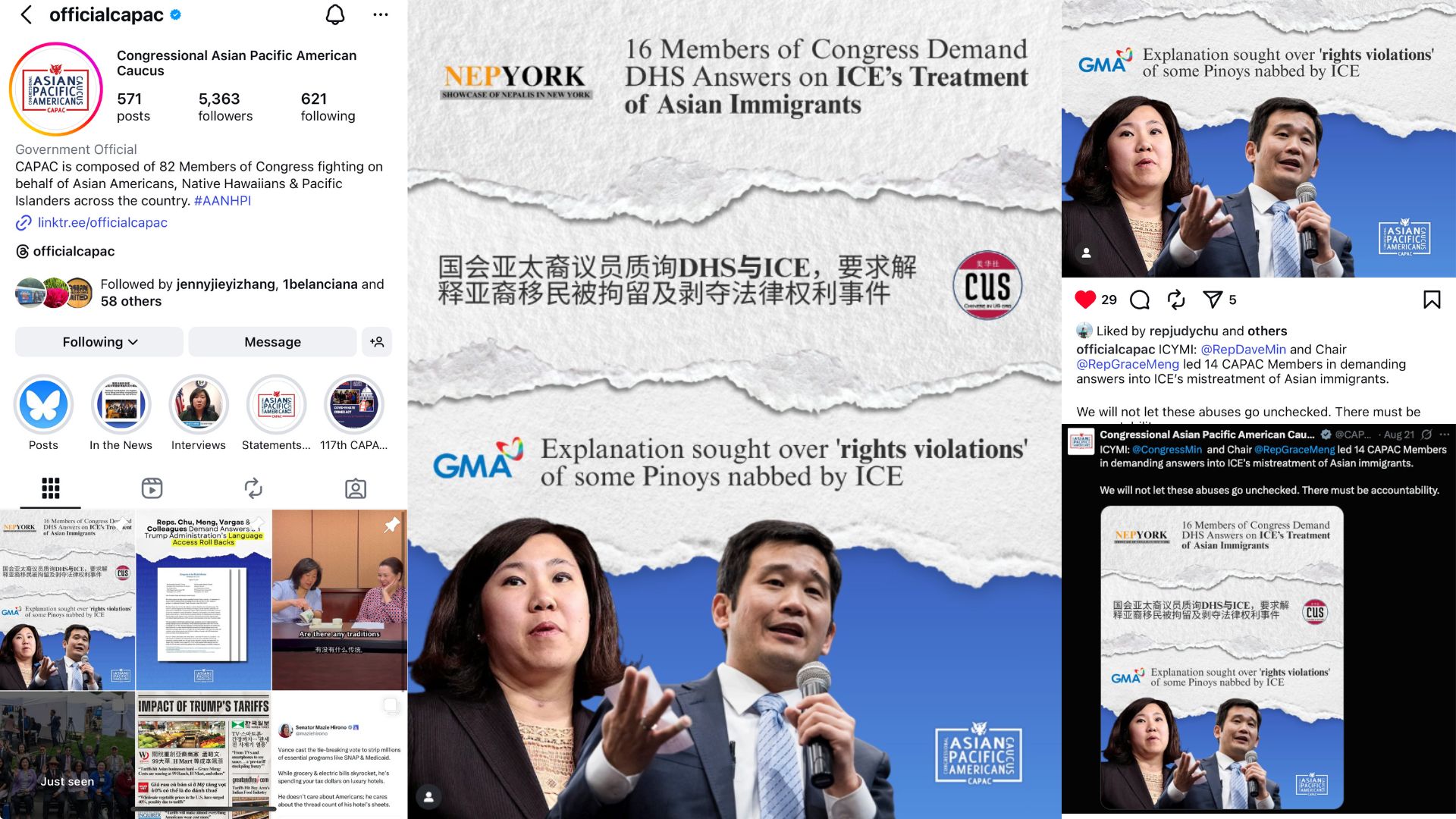
Rep. Grace Meng (NY-06), Chair of the Congressional Asian Pacific American Caucus (CAPAC), condemned the proposal, saying CAPAC members would work next year to reclaim Congress’s constitutional authority under Article I to regulate trade and bring the tariffs to an end.
Proposed Tariff Rates Reach 35%
Under the USTR proposal, tariff rates vary by economy:
- Vietnam: up to 35%, potentially reduced to 20% with an agreement.
- India: up to 25%, potentially reduced to 17% with a reciprocal trade agreement.
- China: up to 20%, with rates of up to 10% on goods listed in Annex A.
- Singapore: up to 20%, potentially adjusted to 10%.
- Bangladesh, Cambodia, Indonesia, Malaysia and Thailand: up to 18%.
- Japan, South Korea, Taiwan and Switzerland: up to 15%.
- European Union: 15%.
Mexico and Norway were also included in the investigations, but USTR has not issued determinations for either country.
The proposed tariffs are subject to a public comment process. Written comments and requests to appear at the public hearing are due January 5, 2027. The hearing is scheduled for January 25 in Washington, D.C.
Meng Highlights Impact on Three Million AANHPI-Owned Businesses
Meng said the administration’s tariffs have hit the nation’s approximately three million Asian American, Native Hawaiian and Pacific Islander (AANHPI)-owned businesses especially hard, many of which rely on imported ethnic and cultural goods that cannot be produced domestically.
She pointed to New York City’s Chinatown, Chicago’s Little India and Orange County’s Little Saigon, arguing that the administration’s economic policies have placed significant financial pressure on these communities.
According to data from the Joint Economic Committee (JEC) cited by CAPAC, the average U.S. household had paid more than $4,700 in additional costs for goods and services due to rising prices as of September 2026.
A post-midterm election survey identified the cost of living and inflation (53%), jobs and the economy (37%), and health care costs (33%) as the three leading priorities that surveyed Asian American and Pacific Islander voters want Congress and the president to address.
AANHPI-Owned Businesses Generate More Than $1 Trillion in Sales
According to research from NORC at the University of Chicago, AANHPI-owned businesses account for 11% of all U.S. employer businesses, while AANHPI communities represent approximately 7% of the nation’s population.
These businesses employ more than five million people and generate over $1 trillion in sales. Nearly 20% of businesses in the restaurant and hospitality sector are Asian-owned.
Research from the Pew Research Center also shows that approximately three-quarters of U.S. counties have at least one Asian restaurant.
In September 2025, Meng hosted a CAPAC press conference highlighting the economic impact of tariffs on Asian American businesses and communities nationwide.
In February 2026, the U.S. Supreme Court ruled that the International Emergency Economic Powers Act (IEEPA) did not authorize the president to impose the sweeping tariffs previously introduced by the administration.
The latest tariff proposal relies on a separate statutory authority, Section 301 of the Trade Act of 1974.