[VT | May 1, 2026 | Washington, D.C.]
Proposed legislation would establish federal language access standards and oversight amid renewed debate over multilingual public information access
The Language Access Board Act of 2026 has officially entered the congressional process as H.R. 8604, following its introduction by Judy Chu. According to Congress.gov, the bill was referred on April 30 to the House Committee on Oversight and Government Reform for further consideration.
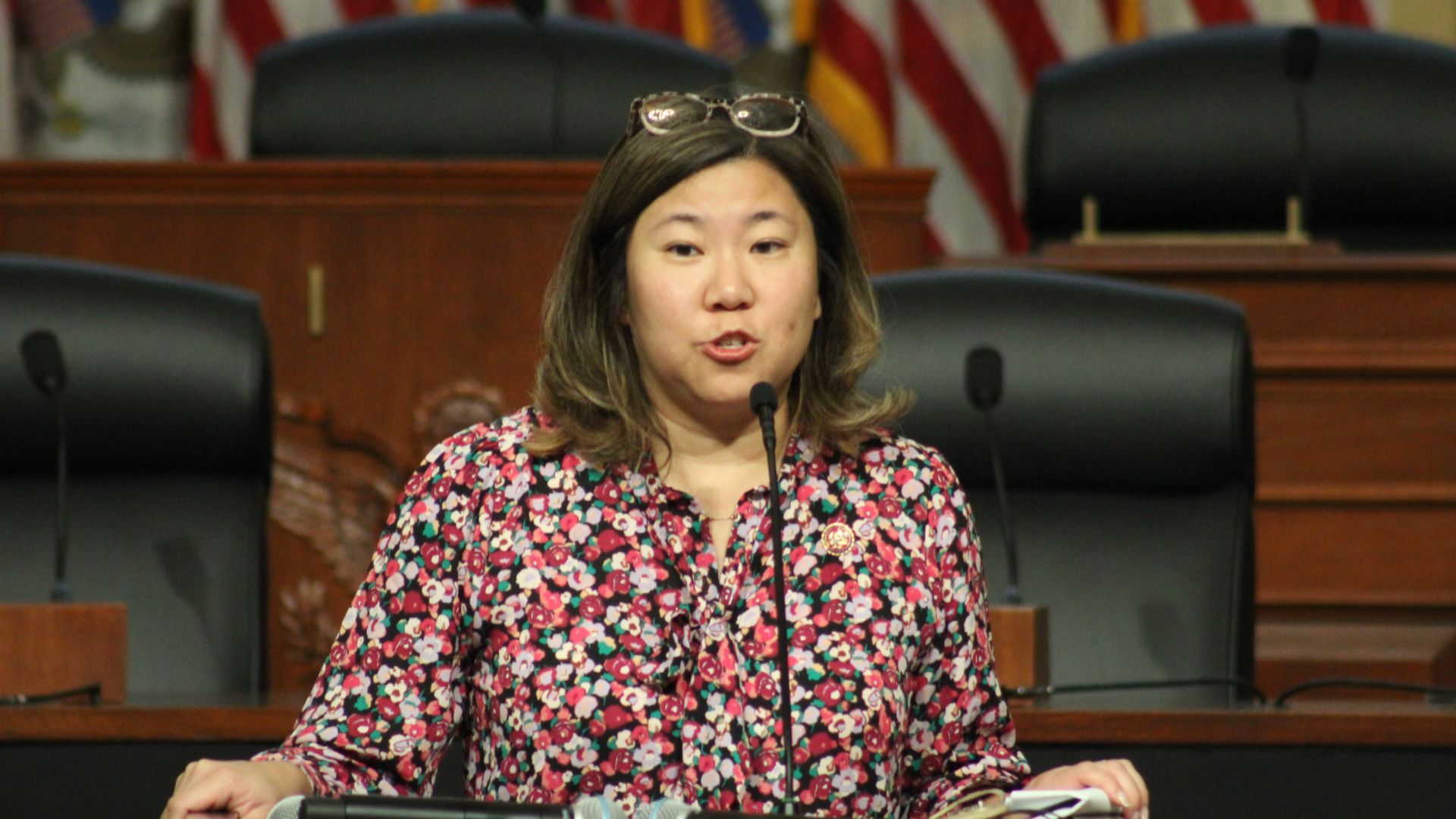
The legislation is being led alongside Grace Meng, Lieu Ted and Juan Vargas, and currently has support from more than a dozen Democratic cosponsors, many representing districts with significant immigrant and multilingual populations.
A companion version of the bill is expected to be introduced in the Senate by Alex Padilla.
What the bill would do
The proposed legislation would establish an independent Language Access Board composed of federal officials and community experts tasked with developing, implementing, and overseeing language access standards across federal agencies.
According to the bill text, the Board would:
- Develop and enforce federal language access guidance and standards
- Provide technical assistance and training related to multilingual public-facing resources
- Process and investigate complaints regarding failures to provide adequate language access
- Study best practices for improving access to federal programs for individuals with limited English proficiency (LEP)
The proposal reflects a broader effort to move federal language access policy from a largely agency-driven administrative framework toward a more standardized and enforceable structure.
Renewed attention on language access
The introduction of the bill comes amid broader changes in federal language policy.
In 2025, President Donald Trump signed an executive order designating English as the official language of the United States and rescinded Executive Order 13166, a longstanding federal directive related to language assistance for individuals with limited English proficiency.
Subsequent policy changes and adjustments to multilingual government resources have renewed debate around language accessibility, public communication, and immigrant access to federal services.
Why the issue matters for AAPI and immigrant communities
According to U.S. Census data cited by supporters of the bill, approximately 32 percent of Asian Americans are considered limited English proficient, one of the highest rates among major racial and ethnic groups in the United States. Spanish-speaking, Pacific Islander, and newly arrived immigrant communities also rely heavily on multilingual public information services.
For many Chinese-speaking immigrants, language barriers are often not simply about conversational English, but about understanding highly institutionalized systems, including:
- Healthcare and public health information
- Government assistance programs
- Tax and legal documentation
- Emergency alerts and public service announcements
- Local and federal administrative procedures
In practice, whether information can be clearly understood often determines whether public resources can actually be used.
Beyond translation: institutional understanding
The broader discussion surrounding the Language Access Board Act also highlights a larger issue facing many immigrant communities: access not only to translated information, but to reliable explanations of how American public institutions function.
Chinese-language public affairs information in the United States currently comes from a wide range of translated news sources, overseas media, and digital platforms. While these channels provide valuable perspectives and timely information, they may not always offer localized civic context that helps communities navigate American public institutions and systems.
As a result, many immigrants may spend years living in the United States while still lacking clear pathways to understanding government structures, public programs, and local civic processes.
In multilingual societies, the question of whether public information is understandable increasingly shapes broader issues of civic participation, institutional trust, and equitable access to public resources.
The evolving role of multilingual civic media
As debates around language accessibility and public information infrastructure continue, multilingual civic communication is becoming increasingly important for local governments, public institutions, and immigrant communities.
Based in Philadelphia, ChineseinUS focuses on Chinese-language civic information, public policy interpretation, and institutional accessibility for Chinese-speaking communities.
ChineseinUS\VisibleTogether believes that in multilingual societies, public information must not only be translated, but also made understandable and usable within the context of everyday civic life.
The Language Access Board Act remains in the early stages of the legislative process, and its future remains uncertain. However, the broader conversation surrounding language access, civic information, and institutional accessibility is likely to remain an important issue in the governance of America’s increasingly multilingual society.