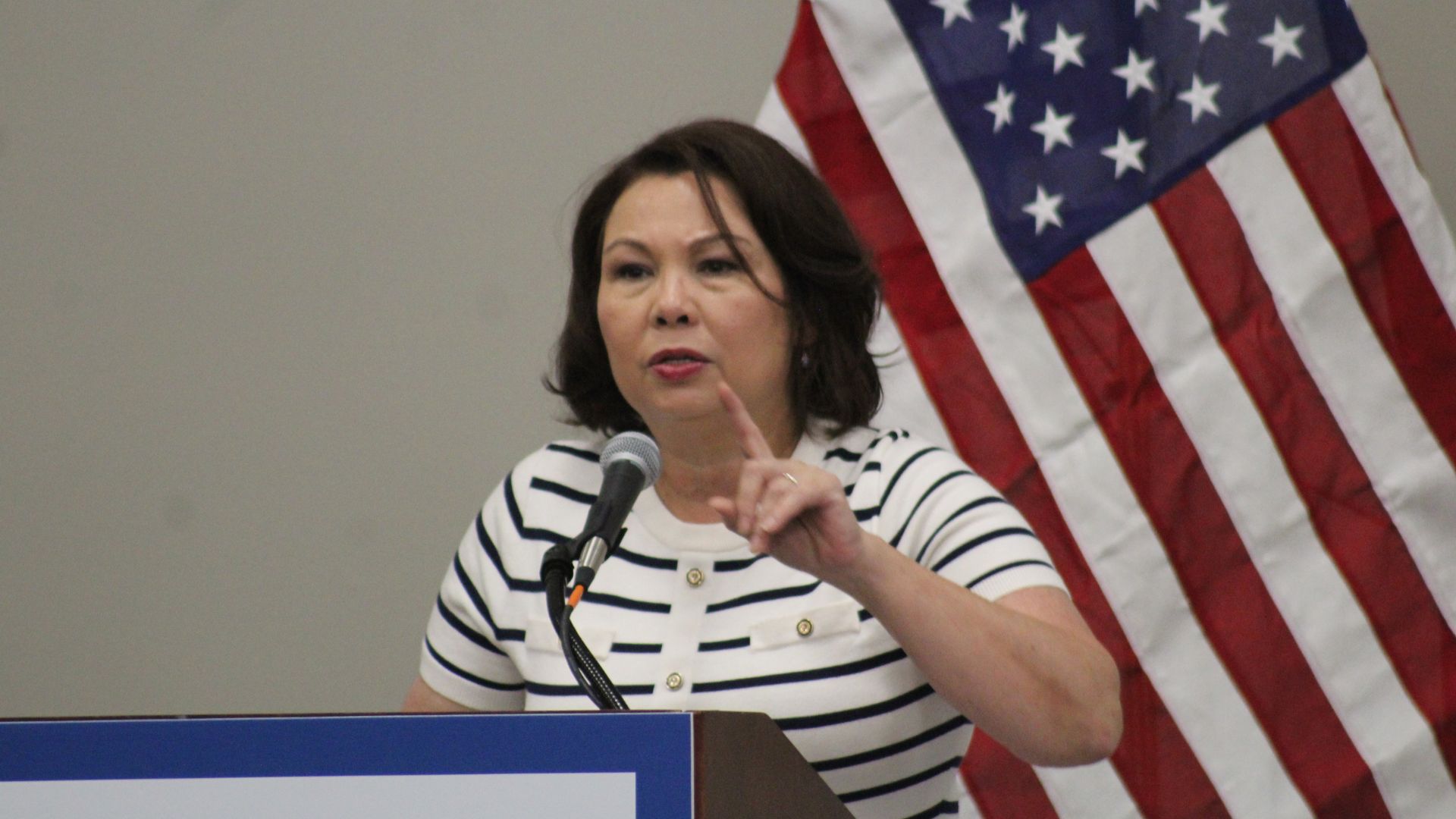
[VT I Washington, D.C. December 16, 2025] According to information released by the office of U.S. Congresswoman Harriet Hageman (R-WY), Hageman on December 16 introduced legislation titled the Sunset to Reform Section 230 Act, which seeks to require Congress to periodically reexamine the authorities granted to large technology companies under Section 230 of the Communications Decency Act.
The statement said the proposed legislation would add a sunset provision to Section 230, requiring Congress to revisit and reauthorize the provision rather than allowing it to remain in effect indefinitely.
In the statement, Hageman said Section 230 was enacted in 1996 to support the early development of the internet and protect free expression, at a time when the scale and influence of social media and digital communication could not have been anticipated. She stated that the provision granted broad immunity to technology companies for content moderation decisions.
According to the information released, Section 230 allows online platforms to remove content they consider “obscene, lewd, lascivious, filthy, excessively violent, harassing, or otherwise objectionable,” while the statute does not define the meaning of “otherwise objectionable.”
Hageman stated that, in the absence of a clear legal standard, content decisions have been made by platforms based on their own interpretations. She said the legislation calls for replacing the current “otherwise objectionable” standard with an “unlawful” standard, which would allow platforms to remove content that violates the law, including content related to terrorism or harm to children.
The statement also noted that Hageman is a co-sponsor of the Stop the Censorship Act, which addresses similar changes to Section 230. She said that introducing a sunset provision would require Congress to regularly review the application of Section 230 and monitor how the authority is exercised.
Section 230 has long been regarded as a foundational element of U.S. internet law, and proposals to revise it continue to be the subject of discussion within Congress.