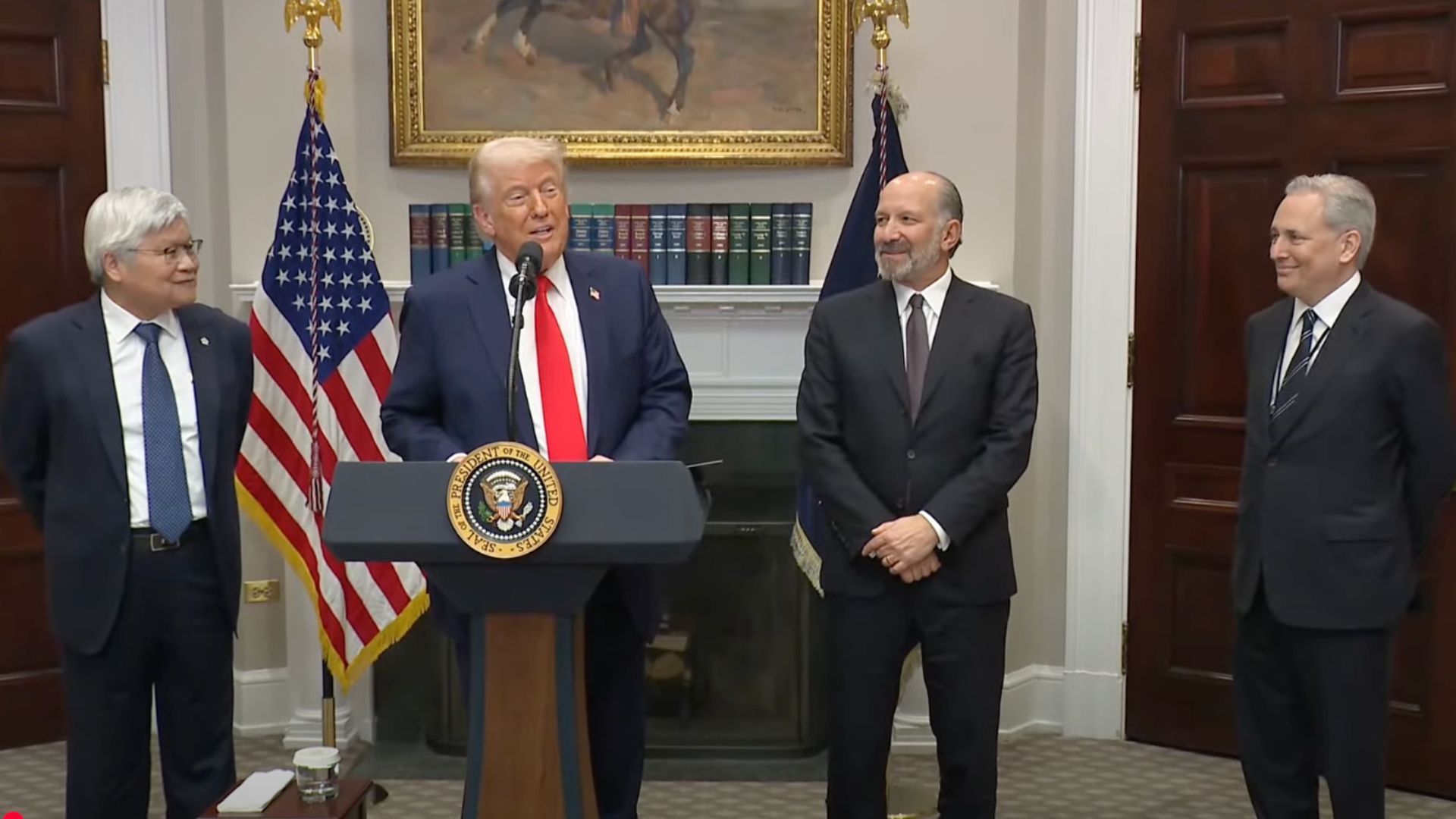
[VT Philadelphia | Sept. 13, 2025] According to RealClearPolitics, the Trump administration has announced the termination of federal funding programs for hundreds of Minority-Serving Institutions (MSIs), involving approximately $350 million. The affected schools include Hispanic-Serving Institutions (HSIs), Predominantly Black Institutions (PBIs), Native American Serving Non-Tribal Institutions (NASNTIs), Alaska Native and Native Hawaiian Serving Institutions (ANNHIs), and Asian American and Native American Pacific Islander Serving Institutions (AANAPISIs).
The MSI programs were created by legislation in 1998 to reduce persistent gaps in enrollment and graduation rates between minority students and white students. HSIs, for example, must have at least 25% Hispanic undergraduates and have received more than $250 million annually; other MSI programs account for an additional $350 million. Historically Black Colleges and Universities (HBCUs) are not affected, as they are funded through separate channels. These initiatives have long enjoyed bipartisan support in Congress and are regarded as important measures to advance educational equity. In 2023, the U.S. Supreme Court ruled in Students for Fair Admissions v. Harvard that considering race as a factor in college admissions was unconstitutional, providing a legal basis for later adjustments to minority-serving funding programs. In 2024, former President Joe Biden signed an executive order to increase support for Hispanic-Serving Institutions, including establishing an advisory commission and raising funding levels, but that order was rescinded after President Trump took office.
In response to the policy change, leaders of the three major minority caucuses in Congress — Congressional Asian Pacific American Caucus (CAPAC) Chair Grace Meng (D-NY), Congressional Hispanic Caucus (CHC) Chair Adriano Espaillat (D-NY), and Congressional Black Caucus (CBC) Chair Yvette Clarke (D-NY) — issued a joint statement strongly criticizing the decision.
The chairs stated:
“Higher education is a critical pathway to economic opportunity, and Minority-Serving Institutions have opened doors for millions of students from all backgrounds to pursue a college degree. By terminating grants for certain MSIs, the Trump administration is sowing division and denying students of color the opportunities they need to succeed. We won’t stand for it.“
The statement added:
“This reckless move will have devastating consequences. Divesting these critical funds at the expense of students who need our financial assistance the most, all to fund tax breaks for the wealthiest in our nation, is unconscionable. It threatens the futures of first-generation and low-income students, shuts millions of families out of the American Dream, and undermines our nation’s long-term economic growth. Above all, it sends a message to Black, Hispanic, Native American, Alaska Native, and Asian American, Native Hawaiian, and Pacific Islander students that there is no place for them in our nation’s colleges. This is just the latest attack in the administration’s crusade to dismantle our public education system and destroy the very policies that ensure equal access to learning.”
The caucus leaders further emphasized:
“The Congressional Tri-Caucus stands on the shoulders of generations who fought for the very right to walk into a school free from discrimination. We will continue fighting so that every student, no matter where they come from or how much their parents make, can achieve the American Dream. The future of our country depends on it.”
The Trump administration has stated that the current MSI programs, by setting eligibility criteria based on racial or ethnic enrollment thresholds, amount to unconstitutional racial quotas.
U.S. Secretary of Education Linda McMahon said:
“Discrimination based upon race or ethnicity has no place in the United States. To further our commitment to ending discrimination in all forms across federally supported programs, the Department will no longer award Minority-Serving Institution grants that discriminate by restricting eligibility to institutions that meet government-mandated racial quotas,” “Diversity is not merely the presence of a skin color. Stereotyping an individual based on immutable characteristics diminishes the full picture of that person’s life and contributions, including their character, resiliency, and merit. The Department looks forward to working with Congress to reenvision these programs to support institutions that serve underprepared or under-resourced students without relying on race quotas and will continue fighting to ensure that students are judged as individuals, not prejudged by their membership of a racial group.”
The Department of Justice (DOJ) has declined to defend the HSI program in litigation filed by the state of Tennessee and the group Students for Fair Admissions, concluding that the program violates the Due Process Clause of the Fifth Amendment and constitutes racial discrimination.
The policy change is expected to save about $350 million annually, with those funds redirected to projects aligned with “administrative priorities” rather than distributed on the basis of race. Approximately $132 million in mandatory MSI funding will continue. More than 500 institutions will be affected, including the University of Texas at Austin, the University of Arizona, and multiple community colleges. California will be hit the hardest, with at least 171 institutions impacted, including six University of California campuses and 21 California State University campuses. CSU alone is losing about $9.6 million under one program.
These grants had been used for academic support, mental health services, scholarships, and campus infrastructure. Their cancellation may interrupt services and negatively affect student achievement and educational equity.
Several states and education groups have announced plans to challenge the decision, arguing that it undermines congressional intent and could harm equal access in higher education. Going forward, how to uphold constitutional principles of equality while continuing to support minority students is expected to remain a central issue in education policy and legislative debate.