[VT- Washington, D.C. ]July 15, 2025 — A group of bipartisan lawmakers in the U.S. House of Representatives reintroduced the Dignity Act of 2025, a comprehensive immigration reform bill aimed at providing a conditional path to legal status for undocumented immigrants. Under the proposed legislation, qualifying individuals would be required to pay approximately $7,000 in restitution fees over a seven-year period to gain legal work authorization—without access to federal benefits or U.S. citizenship.
The bill is spearheaded by Rep. María Elvira Salazar (R-FL) and Rep. Veronica Escobar (D-TX), and has garnered support from more than 20 members across party lines. The legislation revives a previous version of the Dignity Act first introduced in 2023 that failed to advance to a full vote.
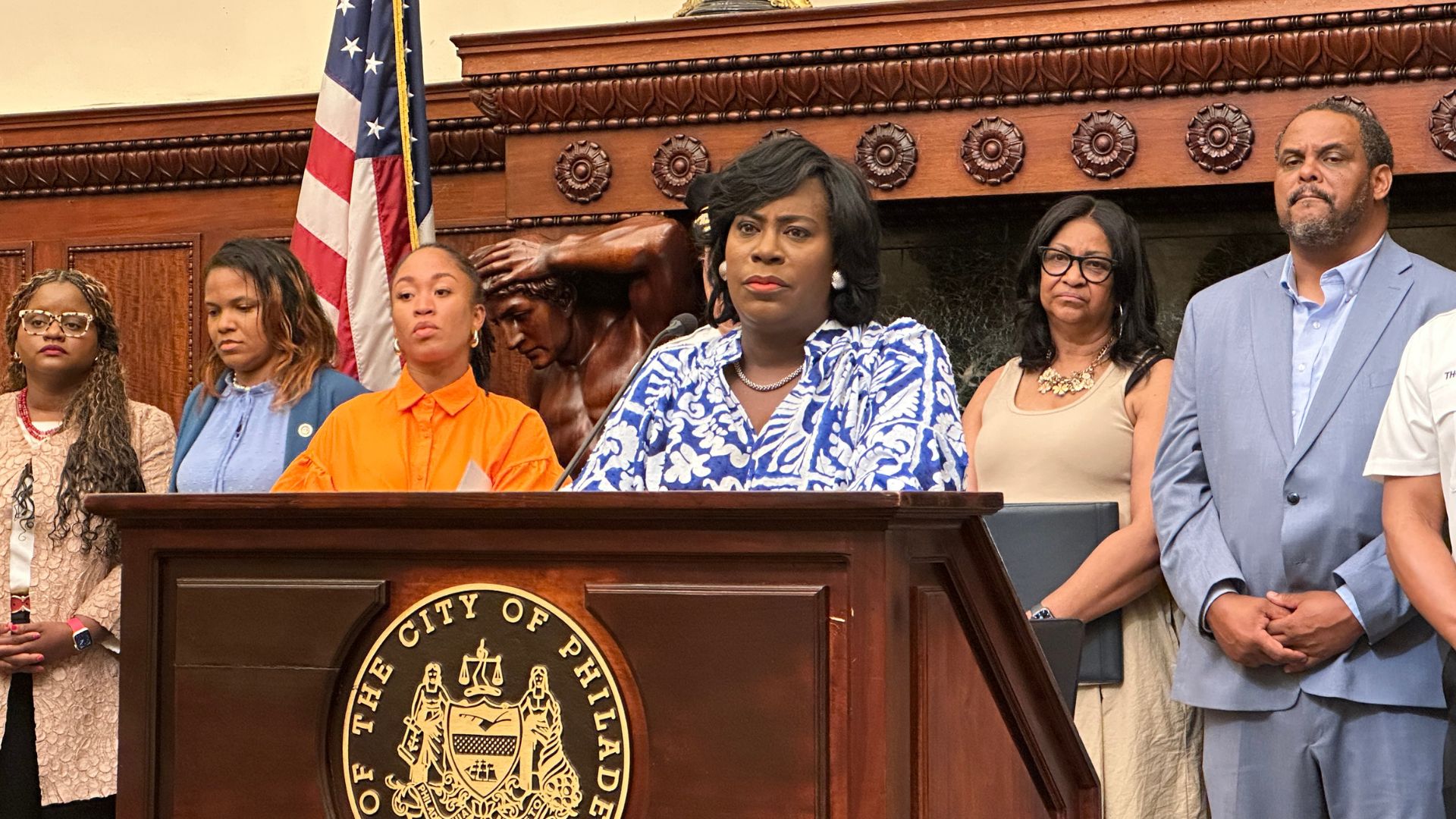
“This is not an amnesty,” Rep. Salazar stated during the press conference. “This is a practical solution for millions who have lived in the shadows for years, paid taxes, and contributed to our economy. It’s a way to restore dignity through responsibility.”
Key Provisions
The bill proposes a seven-year “Dignity Program”, during which eligible undocumented immigrants must:
- Pass background checks and prove long-term residence in the U.S.
- Maintain steady employment and pay all applicable taxes
- Avoid criminal activity
- Pay a restitution fee totaling approximately $7,000 over the program’s duration
Participants would be granted legal status and work authorization during the program and could apply for extensions. However, the bill does not offer a pathway to permanent residency (green cards) or citizenship.
Border Security and Enforcement
The Dignity Act also includes major border enforcement provisions, such as:
- Expanded physical barriers and surveillance technology
- National implementation of E-Verify to confirm work eligibility
- Reforms to the asylum application system
- Increased funding for border personnel and immigration courts
Legislative Outlook
If passed, the Dignity Act could become one of the most significant immigration reforms in decades, potentially reshaping the legal status of millions while reshuffling the broader political debate on immigration in the United States.