[VT | September 8, 2026 | Philadelphia PA]
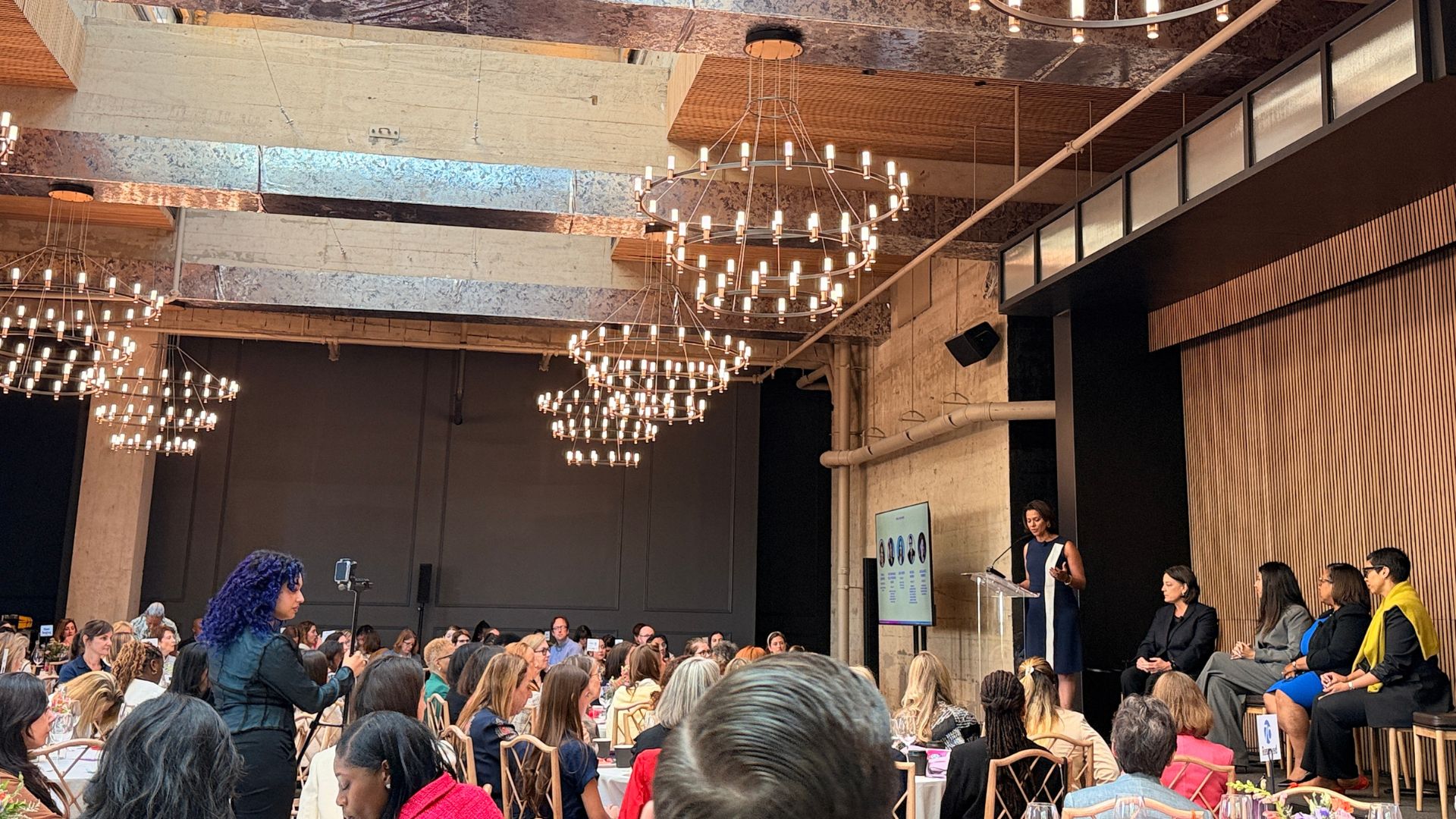
Philadelphia’s nonpartisan civic organization the Committee of Seventy hosted its fifth annual Women in Public Leadership event at The Switch House, bringing together nearly 300 participants from law, government, media, nonprofit organizations and local communities.
This year’s theme, “Igniting and Enduring: Trailblazers Who Spark, Advance, and Protect Women’s Rights,” highlighted women working across courts, government, law firms and legal education to advance and safeguard rights.
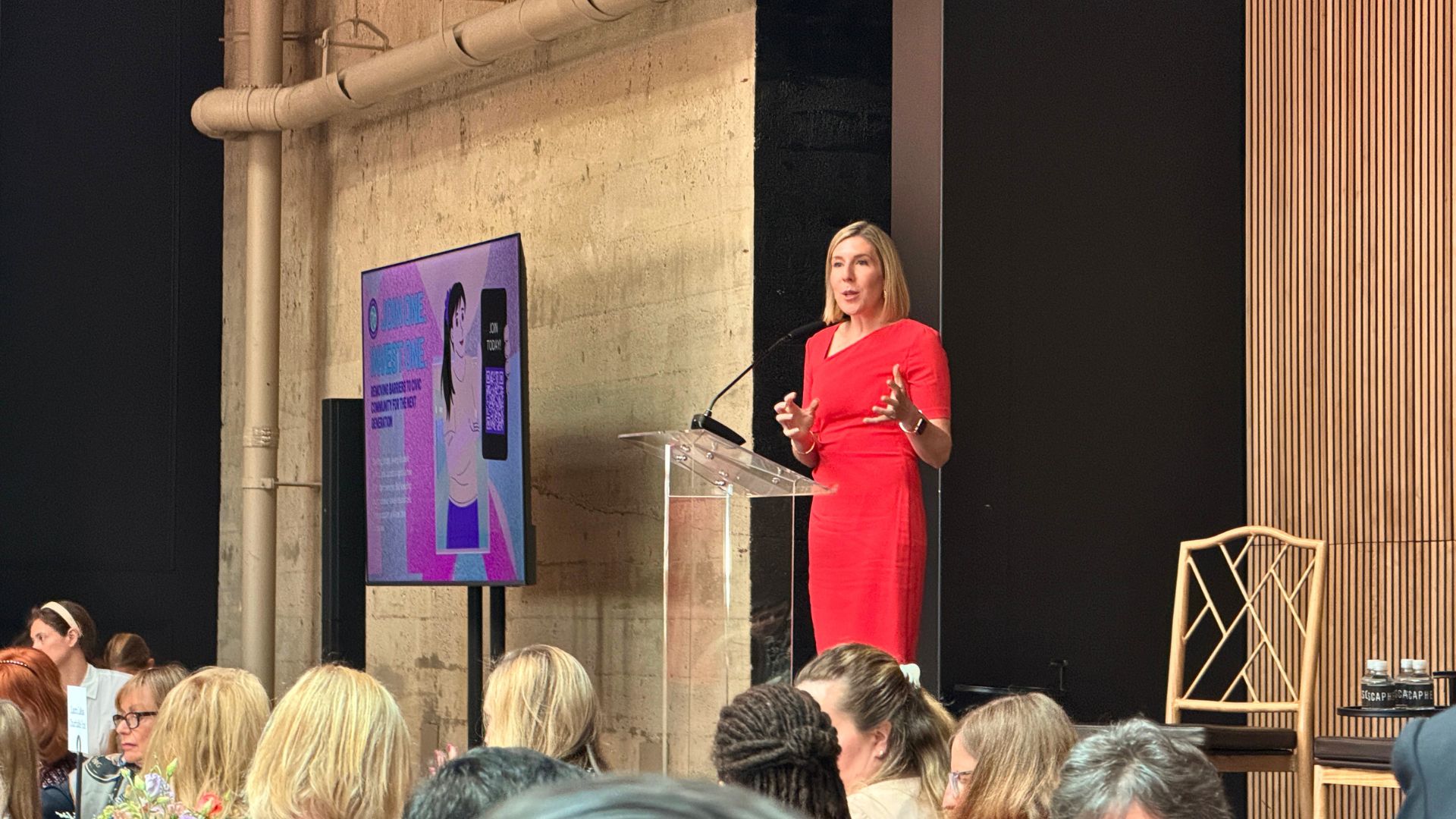
Committee of Seventy President and CEO Lauren Cristella said women’s leadership is consequential because representation affects how decisions are made and which communities feel seen. She also emphasized that voting rights, civic education, an independent press and local government accountability require citizens to vote, organize and lead.
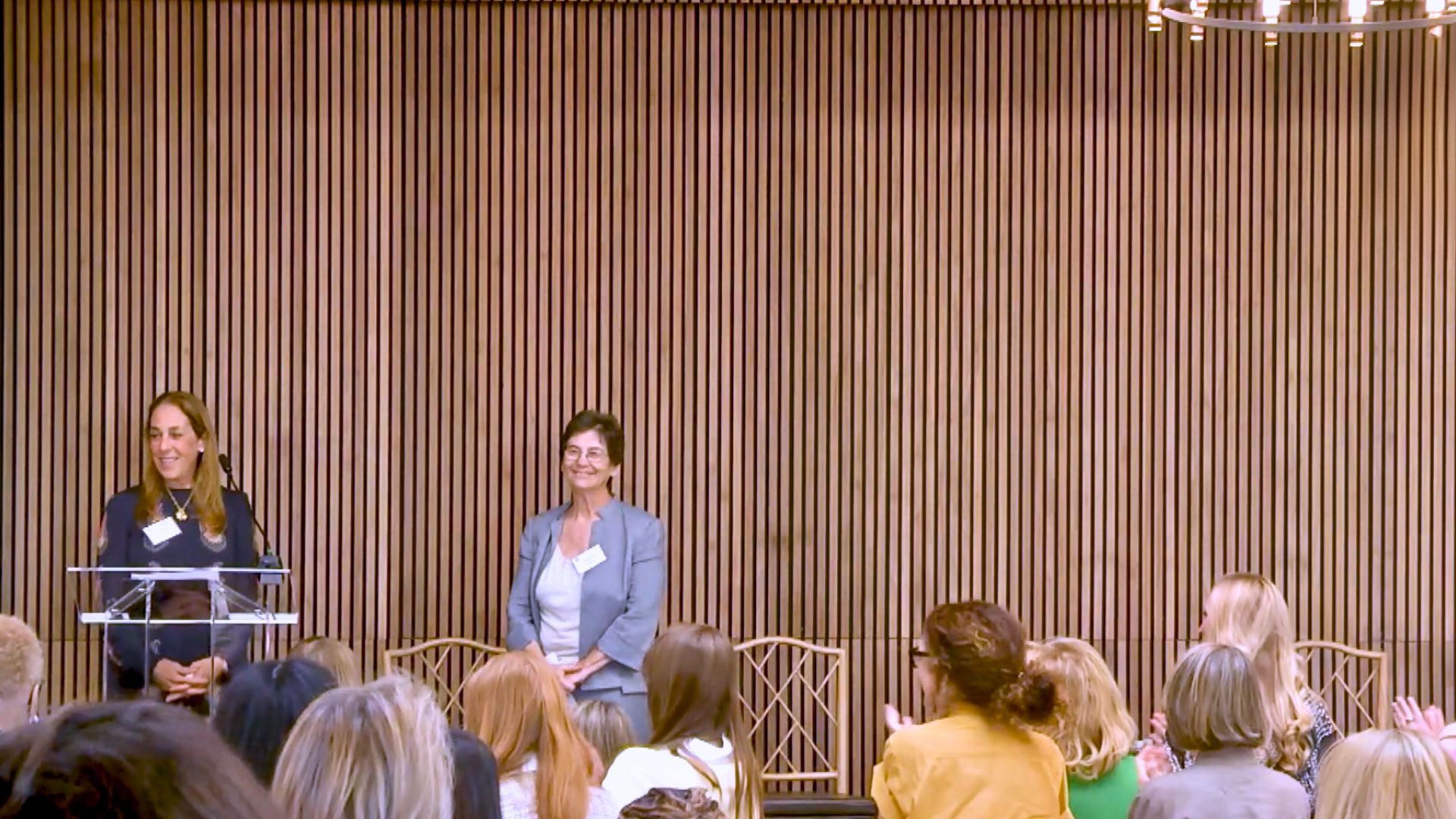
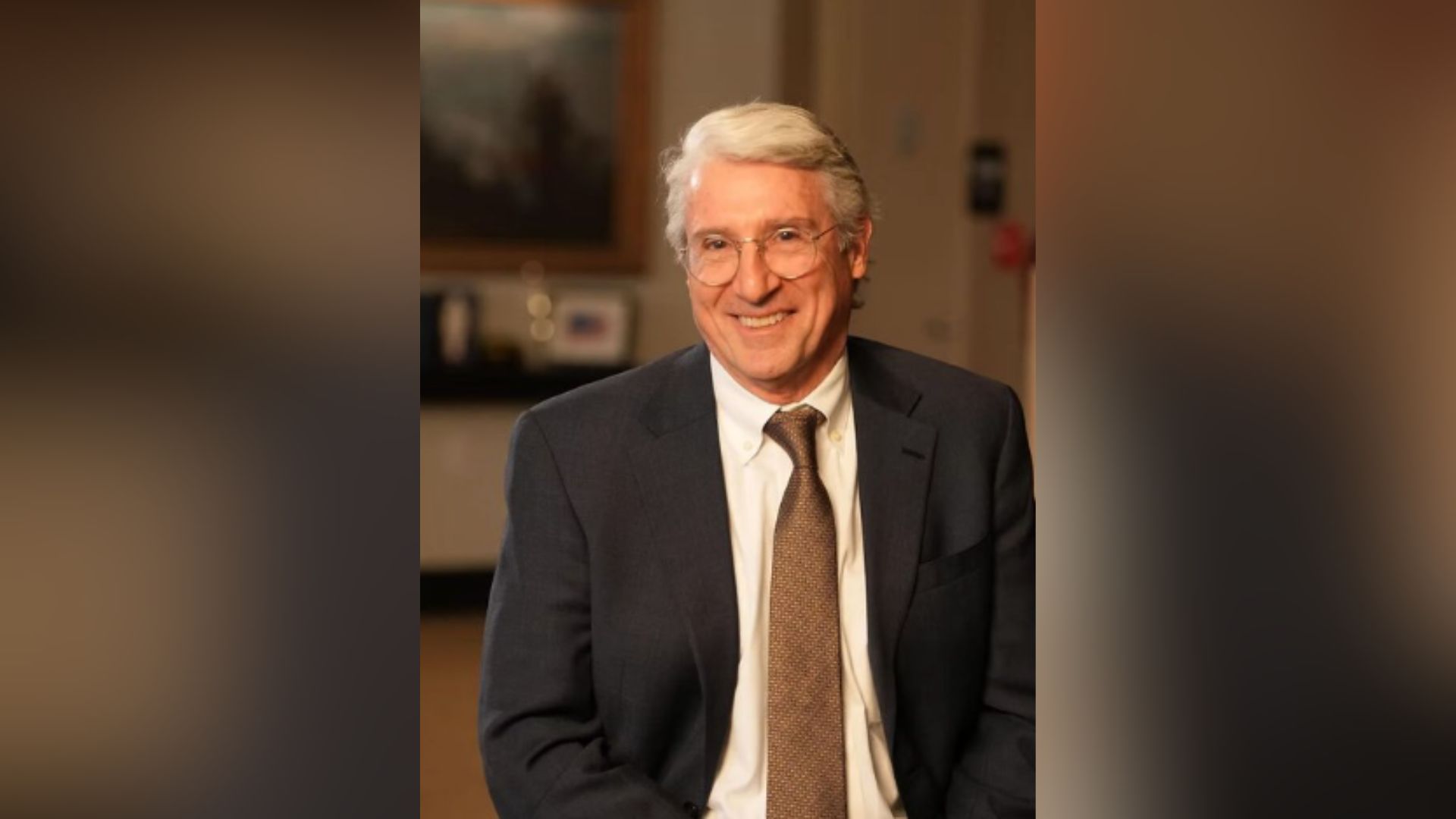
Board member and presenting sponsor Laura LaRosa presented the 2026 Civic Leadership Award to Kathryn Kolbert, a public-interest attorney, journalist and entrepreneurial leader.
Kolbert argued Planned Parenthood v. Casey before the U.S. Supreme Court on behalf of ACLU. In 2009, she founded the Athena Center for Leadership at Barnard College and served as its director until 2018. She also co-founded the Athena Film Festival and remained its Producing Director until July 2020.
In accepting the award, Kolbert urged people not to withdraw in the face of institutional and political setbacks, but to speak up, act and build community.
“Don’t Assume Government Knows”
6abc Action News anchor Tamala Edwards moderated a panel featuring U.S. District Judge Kelley Brisbon Hodge of the Eastern District of Pennsylvania; Jude Husein, former Chief of Staff in the Pennsylvania State Senate; Jacqueline C. Romero, BakerHostetler partner and litigation leader and former U.S. Attorney for the Eastern District of Pennsylvania; and Melissa Murray, Frederick I. and Grace Stokes Professor of Law at New York University School of Law, Faculty Director of the Birnbaum Women’s Leadership Center, and a New York Times bestselling author.
The event focused on women’s rights and leadership, but it also raised a wider question: who enters decision-making spaces helps determine which experiences public institutions are able to see.
LaRosa said that when women overcome professional barriers, they change not only the decisions being made but also who feels recognized by those decisions. Cristella connected representation to voting rights, civic education, an independent press and local government accountability.
During a discussion about long-term civic participation, Husein offered a direct reminder:
“Don’t assume that government knows, because I can assure you, government does not know.”
Public officials understand communities through their responsibilities, districts, experiences and sources of information. A problem may be familiar to residents for years without reaching the institution responsible for addressing it—or without being explained in a way that institution can act upon.
Romero described trust as a continuing relationship rather than a one-time outreach effort. During her time as U.S. Attorney, she repeatedly visited communities in North and South Philadelphia, listened to criticism and invited residents into her office. Government, she said, had to keep showing up.
When Communities Do Not Know What They Do Not Know
Government does not automatically understand communities. But communities may know what people are experiencing without knowing which institution is responsible, how a decision was made or where participation is possible.
This challenge is especially important in an immigrant country. People arrive in the United States with civic experience formed under different political systems, but often without a clear pathway into American civic knowledge. Some may not know what information they are missing.
Voting offers one example. Chinese immigrants already living in the United States became eligible for naturalization in 1943, creating a pathway to citizenship and voting, although Chinese immigration remained restricted by an annual quota of 105.
Yet legal eligibility does not automatically deliver knowledge about candidates, public offices or civic participation. During the audience Q&A, a Philadelphia community organizer said the young people she serves participate in voting activities but do not understand judicial elections or how judges shape the justice system.
Access to a ballot does not necessarily create access to the knowledge required to use it meaningfully.
When Information Exists but Does Not Arrive
Through sustained, direct connections across public institutions and multiple communities, we have observed public information—including information already translated into Chinese—exist within government systems without reaching the people it was intended to serve.
Residents sometimes bring questions to ChineseinUS, and our inquiries lead to a government program, service or Chinese-language resource that the community did not know existed. From the government’s perspective, the information was published; from the resident’s perspective, it never arrived.
Translation can make words readable without making information discoverable, trusted or understandable. Community events and celebration coverage can create identity and visibility without necessarily helping residents understand their place within public institutions.
These gaps are difficult to see from inside any single institution or community. They become visible through long-term, direct connection: observing how different groups understand the same issue, following what happens after information is released and identifying where communication fails to become shared understanding.
Understanding cannot be created through one translation, event or outreach campaign. It develops through continued contact, accumulated context and trust built over time.
ChineseinUS works within these connections, bringing firsthand public information into the Chinese-speaking community while observing how policies and institutions are understood in daily life. VisibleTogether brings the knowledge formed through those connections into a wider conversation among public institutions.
Government needs to listen, and communities need opportunities to speak. Between them, however, there must be a trusted civic platform—one that understands both contexts, translates meaning, not merely words, creates opportunities for direct communication, and builds relationships over time.
Without that connection, information may exist without being understood or used. Mistrust prevents communication, the absence of communication prevents understanding, and neither side may recognize what it has failed to understand.