Philadelphia, PA — April 15-17, 2026
Amid the continued contraction of local media, the 2026 Keystone News Summit brought together journalists, academics, policymakers, and nonprofit leaders to examine the challenges facing local news and explore possible paths toward rebuilding the industry.
Discussions throughout the two-day summit focused on newsroom sustainability, funding models, policy support, and the changing ways information reaches communities.
Industry Pressure: Local News Continues to Shrink
In her opening remarks, Pamela E. Walck, Ph.D., director, Patricia Doherty Yoder Institute for Ethics and Integrity in Journalism and Media, Duquesne University, reviewed recent developments in Pennsylvania’s local news landscape. She pointed to newspaper closures, reduced publication schedules, and ongoing uncertainty surrounding digital transitions.
Walck noted that in communities without consistent local news coverage, residents face increasing difficulty accessing reliable information about local government and public affairs.
“Information Ecosystem” as a Key Framework
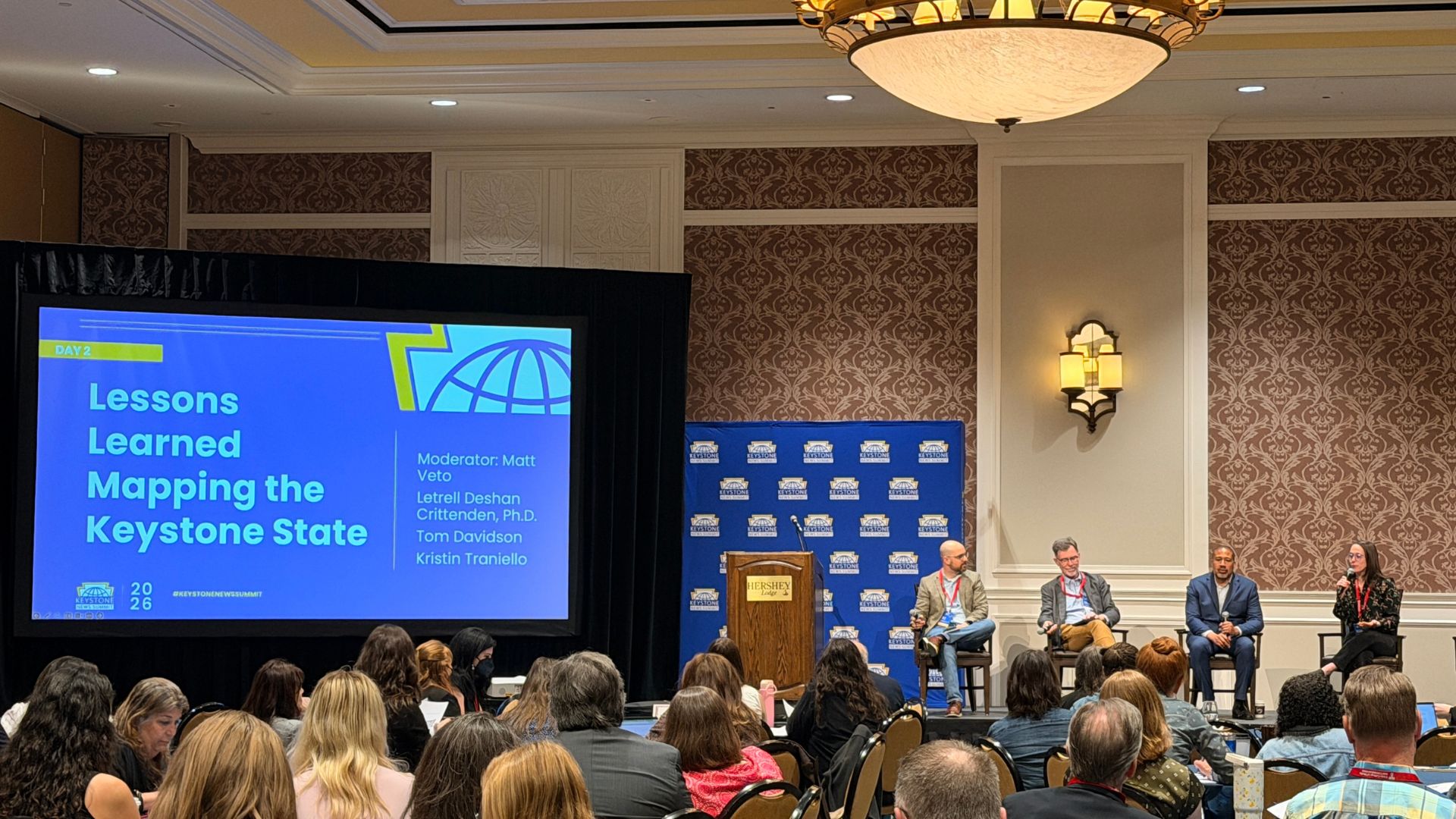
During a panel on media ecosystems, the concept of an “information ecosystem” emerged as a central theme.
Kristin Traniello, program manager, Knight Communities Network, The Lenfest Institute for Journalism said that strengthening local news requires more than increasing content production. Instead, she emphasized the need to identify what information communities actually need and whether those needs are being met.
This approach involves mapping gaps in information supply and considering how funding and resources can help address them. Panel discussions also noted that information now comes from multiple sources—not only news organizations, but also community groups, digital platforms, and other channels—forming a broader system of information flow.
Audience Differences and Local Information Needs
In the same panel, speakers discussed differences in how audiences access and prioritize information across urban, suburban, and rural areas.
The discussion highlighted that local information—such as community updates and public service announcements—remains essential, even as media consumption habits evolve.
Trust and Community Engagement
In a session on trust in journalism, Sarah Alvarez, J.D., James B. Steele Chair of Journalism Innovation, Temple University said that the challenge facing news organizations is not only about content, but also about relationships with communities.
She noted that rebuilding trust requires more direct engagement, including involving communities in shaping coverage and maintaining ongoing communication.
Funding Challenges and New Models
During a discussion on business models, Liz White Notarangelo, consultant, Local Media Association described the growing role of philanthropic funding in supporting local journalism.
She said that such funding has helped sustain reporting and operations in recent years. At the same time, the discussion addressed a persistent issue: journalism’s public value does not always translate into direct financial return.
Policy as a Potential Support Tool
In a policy-focused session, Rep. Chris Rabb, 200th legislative district/Philadelphia County took part in discussions about how government policy might support local news.
Topics included tax incentives, government advertising, and public funding mechanisms aimed at strengthening local information systems.
Media Transformation in Practice
Lisa Hughes, publisher and CEO, The Philadelphia Inquirer shared insights from the transformation of The Philadelphia Inquirer. She described efforts to stabilize operations through structural and strategic adjustments.
Her remarks reflected how some legacy news organizations are adapting to industry-wide changes.
Universities and Local News Production
The summit also examined the role of universities in supporting local journalism.
Todd Franko, midwestern coordinator, Center for Community News, University of Vermont said that partnerships between universities and local newsrooms are helping fill coverage gaps while providing hands-on experience for students.
Distribution Challenges in a Platform Era
In discussions about information distribution, speakers noted the growing influence of social media platforms in shaping how audiences access news.
They also discussed how this shift affects the relationship between news organizations and their audiences, and how outlets are experimenting with new strategies to improve reach.
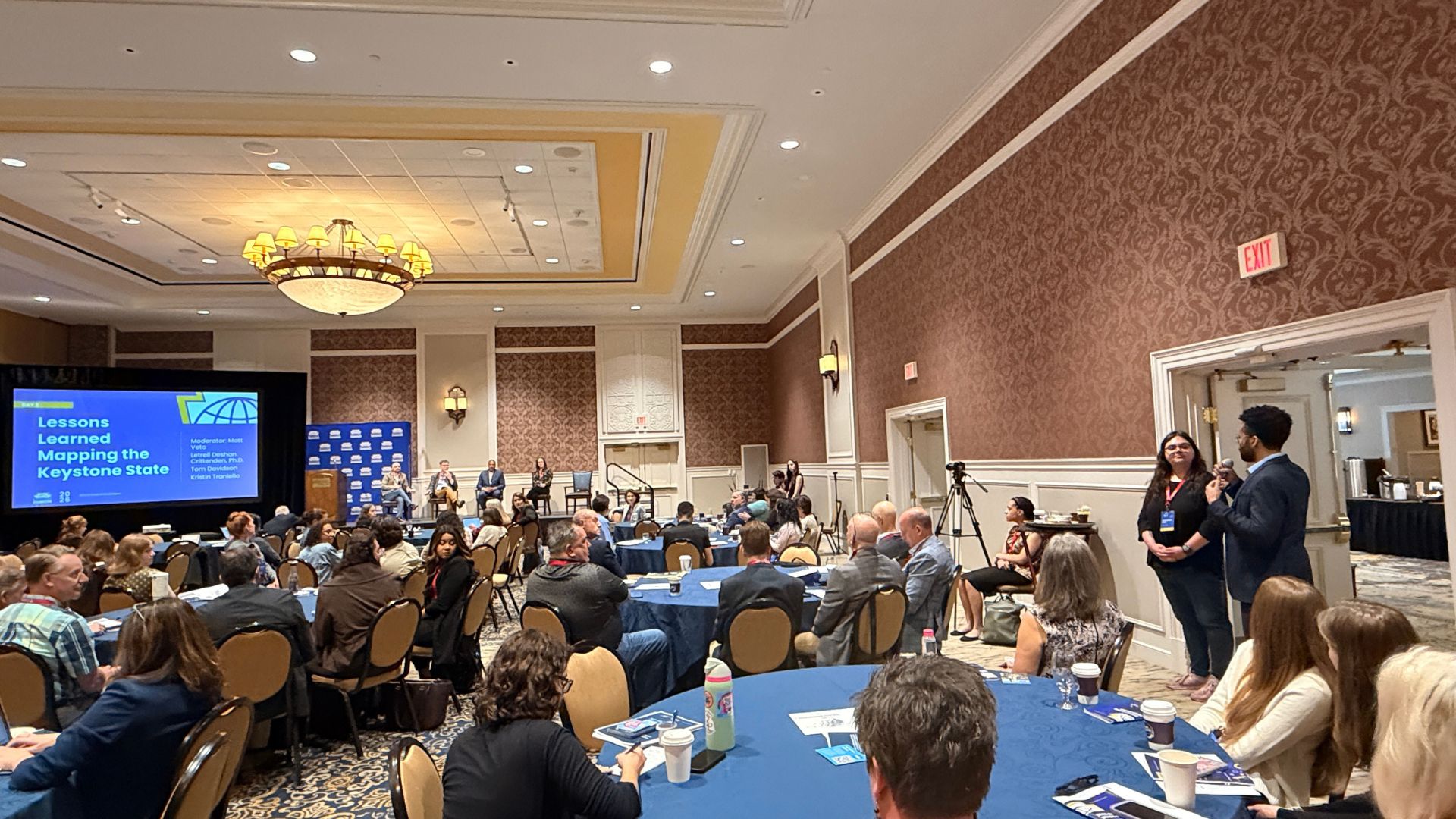
The Keystone News Summit was organized with support from multiple universities and journalism-related organizations, including The Lenfest Institute for Journalism.
Across sessions, the summit highlighted that local news is undergoing significant change. Discussions around the “information ecosystem” suggest that the future of local journalism depends not only on content production, but also on how information is structured, funded, and delivered.
The path forward for local news remains uncertain, but efforts to adapt are ongoing.