[VT | March 10, 2026 | WASHINGTON, D.C.]
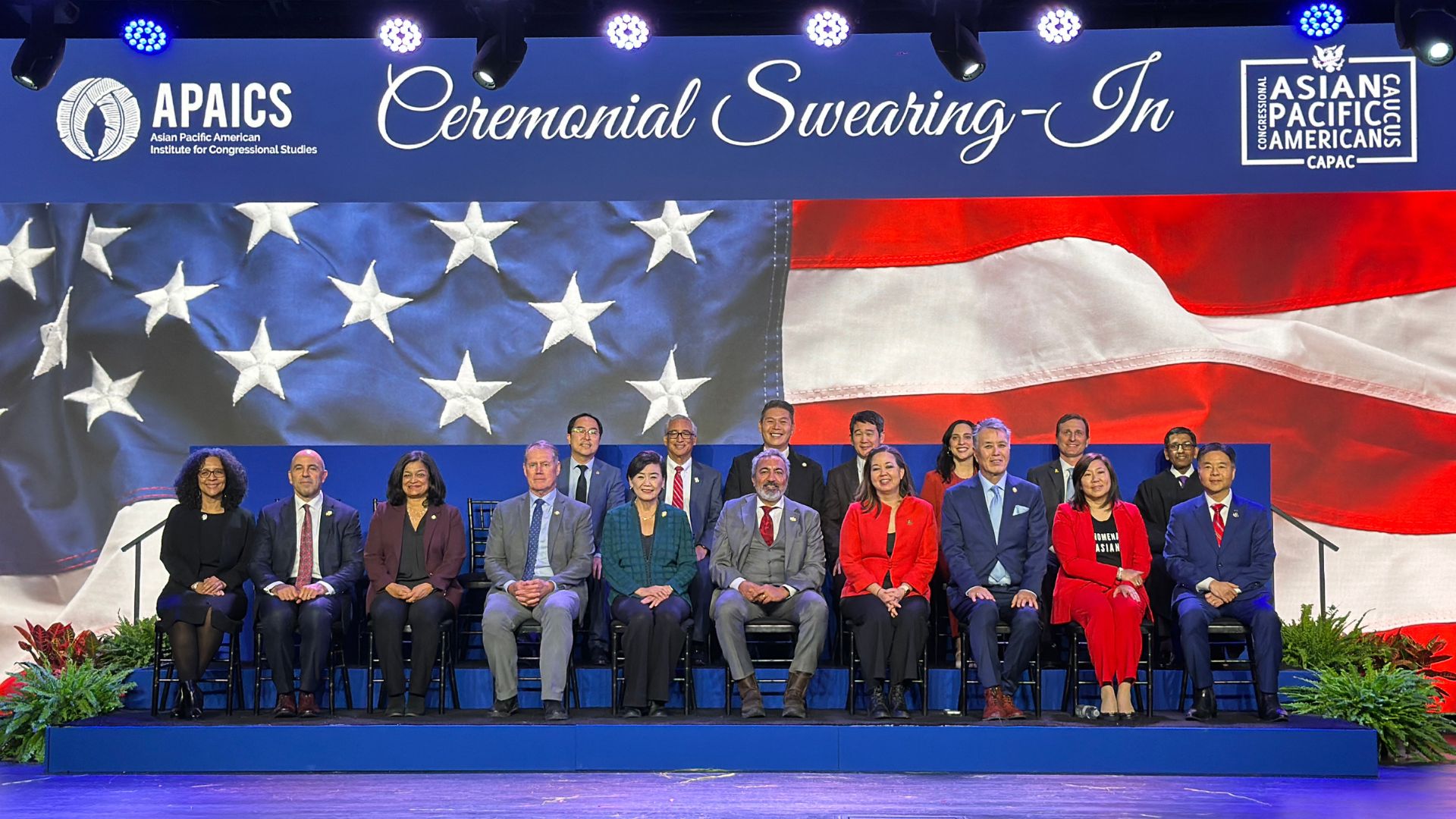
Grace Meng (NY-06), Chair of the Congressional Asian Pacific American Caucus (CAPAC), and Judy Chu (CA-28), CAPAC Chair Emerita, along with Georgia Representatives Lucy McBath (GA-06) and Nikema Williams (GA-05), in introducing a House resolution marking the fifth anniversary of the 2021 Atlanta spa shootings and condemning ongoing anti-Asian hate.
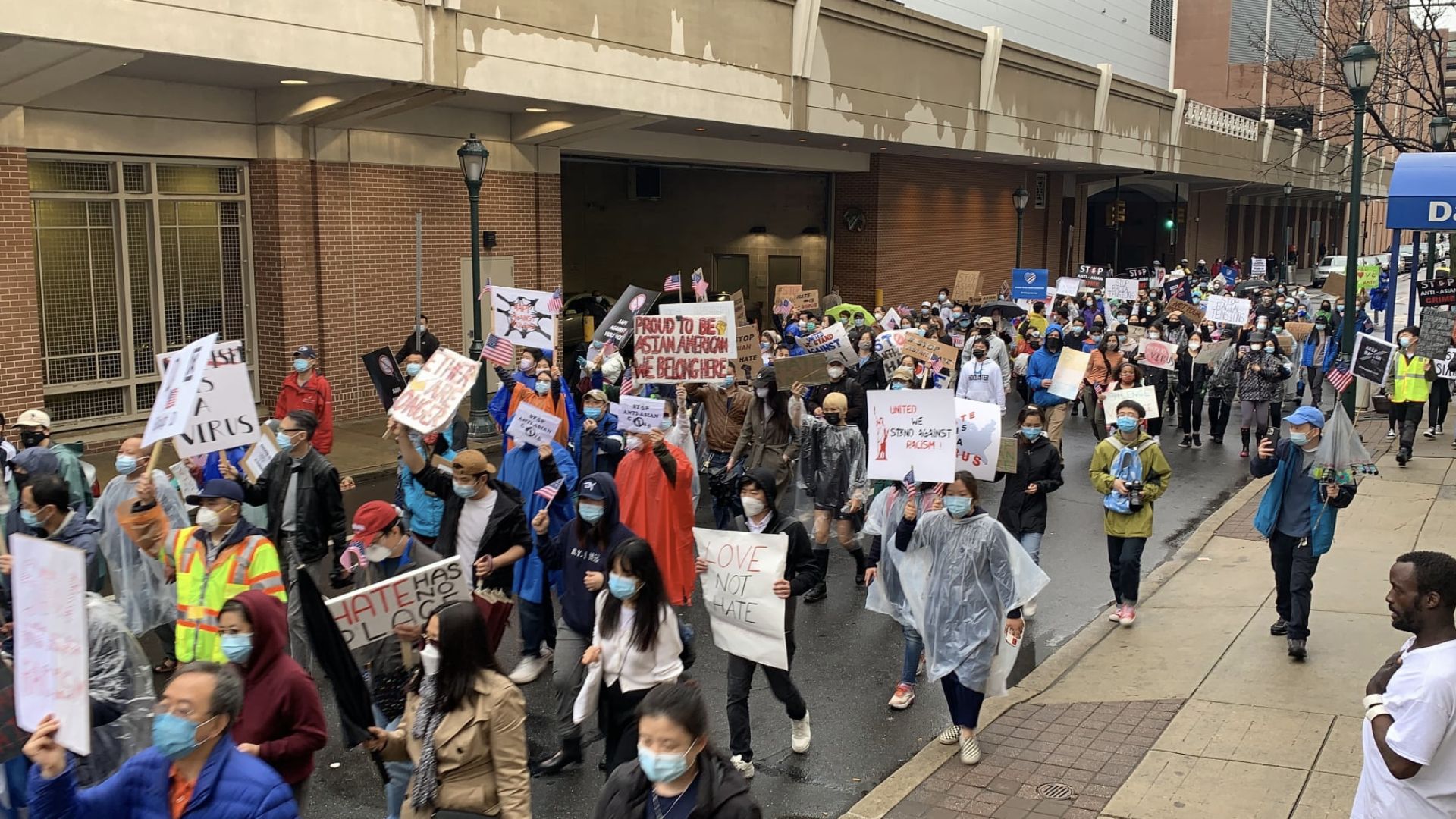
The resolution commemorates March 16, 2021, when a gunman killed eight people—six of them Asian women—and injured another in a series of attacks targeting Asian-owned businesses in the Atlanta area. The shootings occurred during a broader surge in anti-Asian hate incidents nationwide, fueled in part by rhetoric that scapegoated Asian Americans during the COVID-19 pandemic.
Legislative Context and Policy Significance
While the resolution does not create new law, it plays a key role in reinforcing existing federal efforts and maintaining institutional focus on anti-Asian hate.
The measure reaffirms the need to:
- Improve hate crime reporting infrastructure
- Expand federal and community-based anti-hate programs
- Address online harassment and misinformation
- Support education on Asian American history and anti-bias practices
It also calls for continued implementation and expansion of federal initiatives established under laws such as the COVID-19 Hate Crimes Act.
Persistent Trends and Structural Barriers
Data cited in the resolution indicate that anti-Asian hate crimes remain significantly elevated, at nearly three times pre-pandemic levels. Incidents targeting Native Hawaiian and Pacific Islander communities have reached their highest levels since federal tracking began.
The resolution further highlights structural challenges that continue to shape community experiences, including:
- Underreporting driven by language barriers and immigration-related concerns
- Limited access to culturally and linguistically appropriate services
- Persistent stereotypes, including perceptions of “dual loyalty”
These factors point to ongoing gaps not only in public safety, but also in access to information, services, and institutional trust.
Community Impact and Long-Term Effects
Five years after the shootings, Asian American communities continue to experience long-term impacts, including grief, trauma, and mental health challenges.
The resolution underscores the need for culturally responsive care and language-accessible services as part of broader recovery and community resilience efforts.
Statements from Lawmakers
Lawmakers described the anniversary as both a moment of remembrance and a call to action.
Rep. Grace Meng stated that while legislative progress has been made, “more must be done to protect our communities.”
Rep. Judy Chu emphasized the importance of confronting anti-Asian hate and ensuring that communities are not targeted because of their identity.
Rep. Lucy McBath highlighted the intersection of gun violence and hate, calling for policy solutions that address both.
Rep. Nikema Williams stressed that ensuring safety and dignity for all communities remains an ongoing responsibility.
Broader Policy Context
More broadly, the resolution reflects an effort by lawmakers to frame anti-Asian hate as an ongoing structural issue—extending beyond the pandemic and linked to longer-standing narratives around immigration, national security, and belonging in the United States.
As a symbolic legislative measure, it serves to maintain political attention, support existing federal programs, and reinforce the role of government institutions in addressing civil rights, public safety, and equitable access to services.