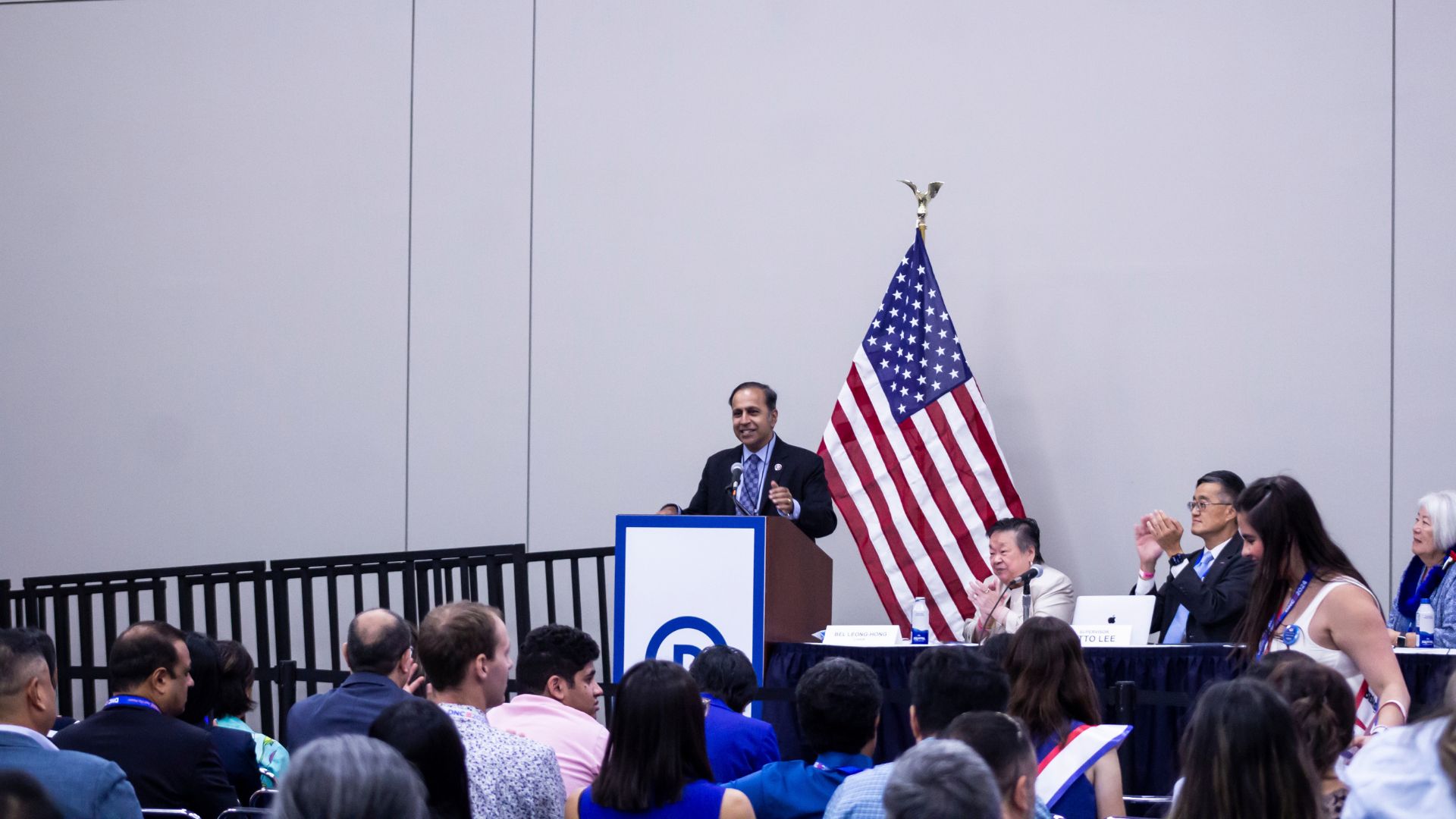
[VT | March 17, 2026 | Philadelphia PA]
Every March, the streets of Philadelphia are taken over by a single color—green.
People wear green clothing, display shamrocks, and take to the streets to participate in parades, concerts, and community celebrations marking St. Patrick’s Day. Yet behind this seemingly festive and lively atmosphere lies a far more difficult history: from the wave of migration during the Great Famine, to the building of the city’s industrial and public systems, and to the long process through which an ethnic community moved from exclusion to the mainstream. In Philadelphia, the meaning of St. Patrick’s Day extends far beyond the holiday itself.
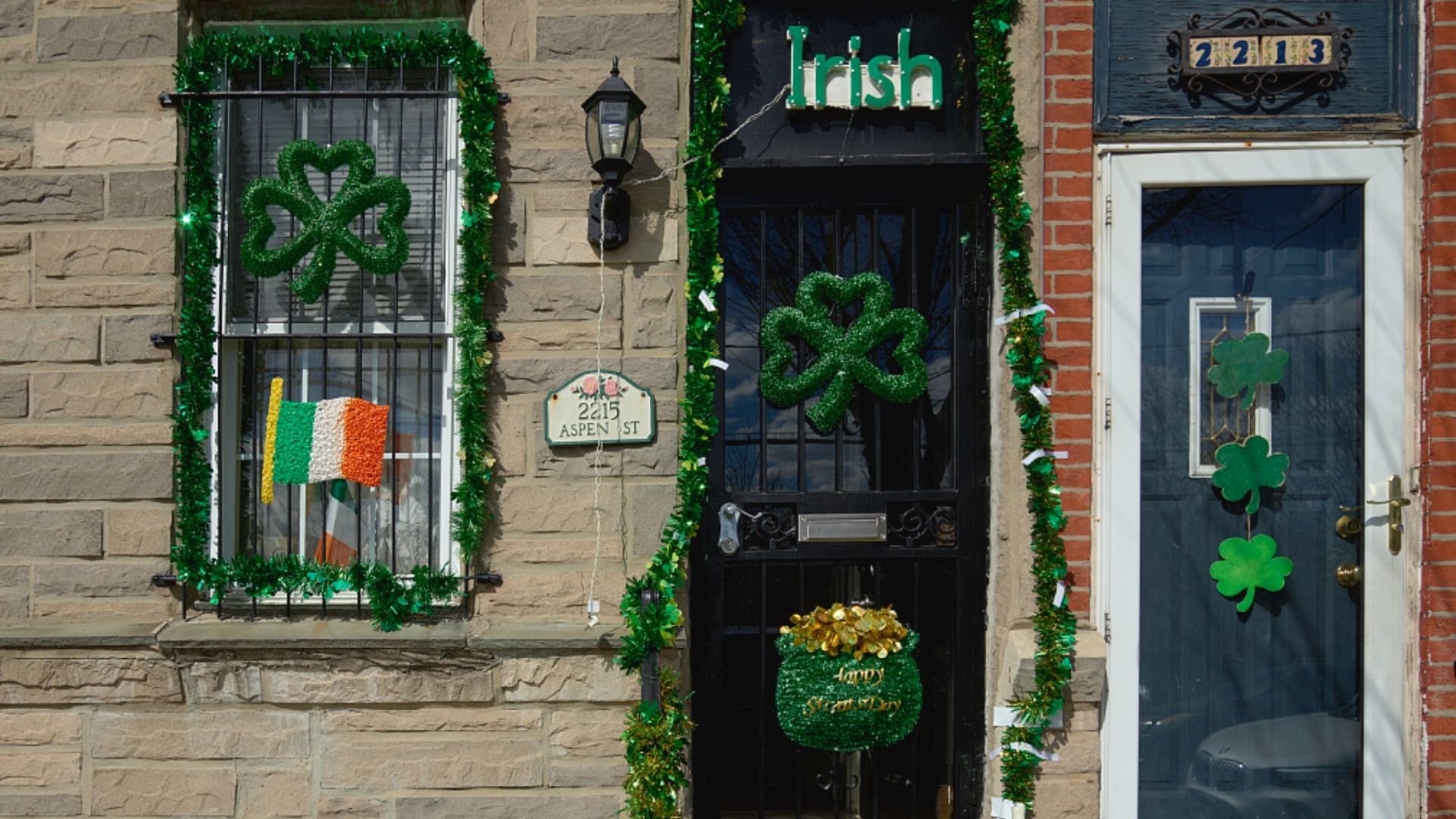
St. Patrick’s Day is observed every year on March 17 in honor of Saint Patrick, the patron saint of Ireland. The date is widely believed to mark his death, which is why the day originally began as a Christian observance and later gradually evolved into an important symbol of Irish culture and ethnic identity. Because the date is fixed, the day of the week changes every year and does not necessarily fall on a weekend; however, in many American cities, major parades are often scheduled on the preceding weekend to make participation easier for the public.
From religious observance to public culture
According to traditional accounts, Saint Patrick was born in Roman Britain rather than in Ireland. At the age of sixteen, he was captured by Irish raiders and taken to Ireland, where he spent six years living as a slave. After escaping, he became a clergyman and eventually returned to Ireland as a missionary. He is widely regarded as having played a key role in spreading Christianity there and in helping establish churches and religious education systems.
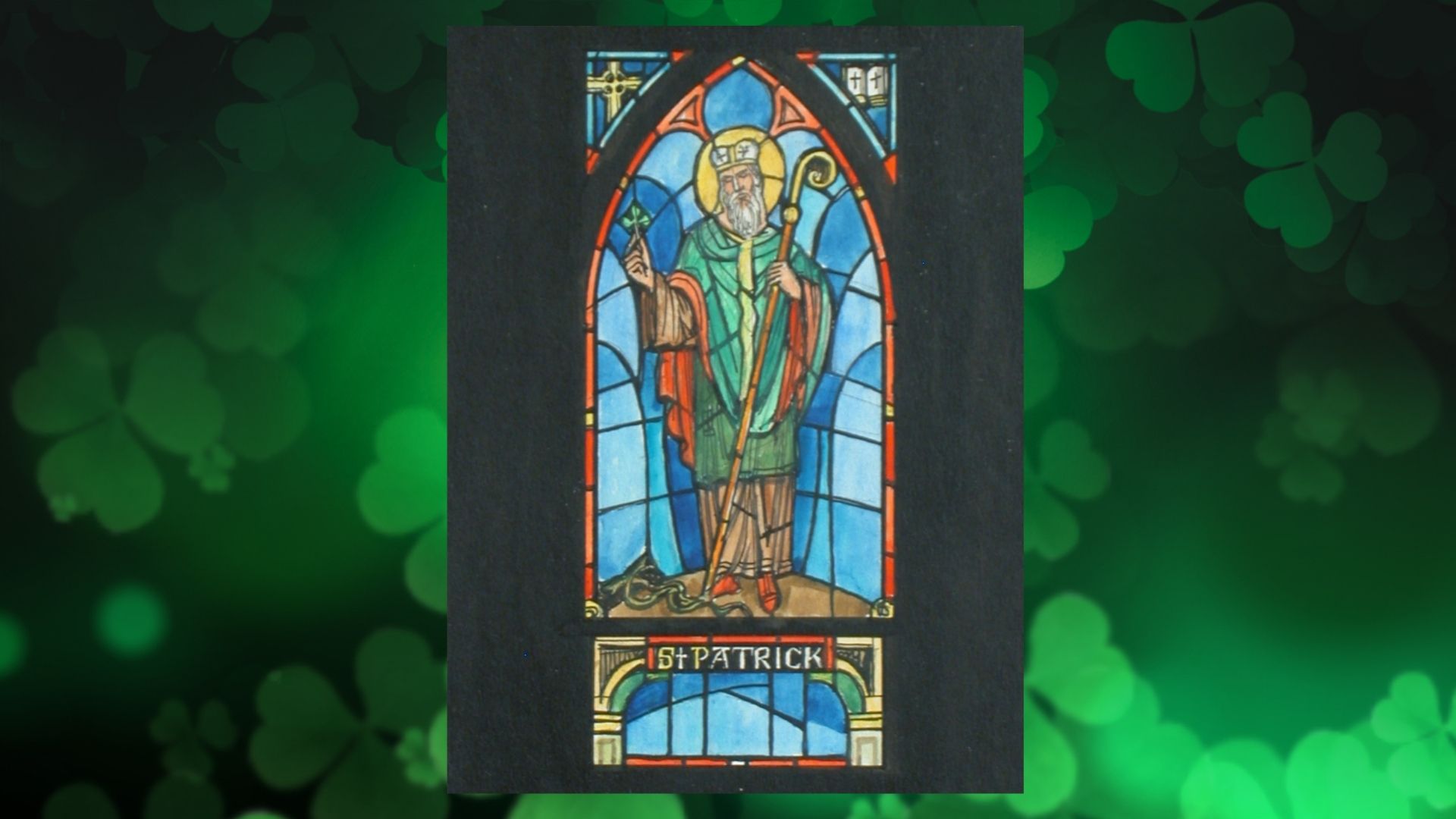
In present-day Ireland, St. Patrick’s Day is both a religious observance and a national public holiday. The capital, Dublin, hosts large-scale parades and multi-day celebrations every year. The shamrock has become one of the most widely recognized symbols of the holiday. According to tradition, Saint Patrick used the shamrock to explain the Christian concept of the Holy Trinity.
Over time, what began as a religious observance gradually developed into an important public holiday expressing Irish culture, history, and national identity.
Why St. Patrick’s Day became so prominent in the United States
The reason St. Patrick’s Day became one of the most widely celebrated ethnic cultural holidays in the United States is closely tied to large-scale Irish immigration in the nineteenth century. In the mid-to-late 1840s, Ireland experienced a devastating famine, commonly known as the Great Famine or Irish Potato Famine. Between 1845 and 1852, potato blight destroyed a crucial food source, causing mass death and forcing countless families to leave their homeland. Large numbers of Irish emigrated to North America in search of survival and new economic opportunities.
In addition to the famine, the forces pushing them out included long-term poverty, unfair land systems, and political and religious pressures under British rule. The United States—especially rapidly industrializing East Coast cities—offered strong labor demand. It was in this context that the Irish became one of the most important immigrant groups in nineteenth-century America, and also brought St. Patrick’s Day into the public life of American cities.
Why Philadelphia became a major destination
Among American cities, Philadelphia was one of the most important destinations for Irish immigrants. Irish Americans would later become one of the most influential ethnic communities in the city and its surrounding counties.
First, Philadelphia was a major East Coast port in the nineteenth century, and many immigrants entered the United States through the city. Second, Philadelphia was undergoing rapid industrialization, and the city had a strong demand for labor. In addition, Philadelphia’s early Quaker tradition emphasized religious tolerance, making the city comparatively more receptive than some other places. For many new immigrants who were poor and lacked resources, Philadelphia represented job opportunities, community networks, and the possibility of starting over.
In fact, the history of the Irish in Philadelphia predates the Great Famine. Even before the American Revolution, Irish people were already present in Philadelphia society and participated in local commerce, tavern culture, and politics. The Society of the Friendly Sons of St. Patrick, founded in 1771, is one of the oldest Irish organizations in American history, and its original purpose was to provide relief to immigrants from Ireland. That same year, Philadelphia also held one of the earliest St. Patrick’s Day parades, making it one of the oldest St. Patrick’s Day cities in the United States.
From industrial labor to city building
When large numbers of Irish immigrants arrived in Philadelphia, they initially took on physically demanding and low-paying labor. They participated in the key sectors that drove industrial and infrastructural expansion in nineteenth-century Philadelphia and Pennsylvania.
In the textile industry, Philadelphia was once a major American textile center, and areas such as Kensington and Manayunk were home to large numbers of mills. Irish immigrants worked in these factories operating machinery, moving goods, handling storage, and performing other forms of basic labor.
In shipyards, Philadelphia’s shipbuilding industry was once highly developed. Major firms such as William Cramp & Sons Shipbuilding Company represented the city’s industrial era. Large numbers of Irish immigrants worked in shipbuilding as ironworkers, riveters, hull builders, and dock laborers.
In metalworking factories and railroad-related industries, Irish immigrants also played important roles. They participated in laying railroad tracks, installing rails, processing metal, and heavy industrial production, providing foundational labor for American industrialization and urban expansion.
They also helped build canals, roads, port facilities, and railroads. Duffy’s Cut, located west of Philadelphia near Malvern, Pennsylvania, represents one of the most tragic chapters in the history of Irish railroad labor in the nineteenth century. In 1832, fifty-seven Irish immigrant workers from Ulster were hired to build a railroad line there. They later all died during a cholera outbreak, and some research suggests that some may also have died violently. This history reminds us that immigrant participation in building the United States often came with enormous sacrifice.
Exclusion, riots, and the struggle to belong
The early experience of Irish immigrants in Philadelphia was far from easy. As large numbers of Irish Catholics arrived in the mid-nineteenth century, anti-immigrant and anti-Catholic sentiment rose sharply in the city.
The Lombard Street Riot of 1842 and the Philadelphia Nativist Riots of 1844 both reflected the intense tensions surrounding race, religion, and labor competition in Philadelphia at that time. In the 1844 riots in particular, multiple Catholic churches were set on fire, illustrating the hostility and violence faced by the Irish Catholic community.
These histories show that Irish Americans did not automatically become part of mainstream society the moment they arrived in the United States. On the contrary, they too were once stigmatized, excluded, and treated as outsiders. It was under these conditions that Irish communities gradually built their own social foundations through churches, associations, schools, mutual aid groups, and community networks.
During the nineteenth and twentieth centuries, Philadelphia saw the growth of many Irish organizations, including the Ancient Order of Hibernians, county-based associations, mutual aid groups, and later business and cultural organizations. These groups helped new immigrants find work, settle into the city, and build a stronger sense of community identity.
Entering public institutions: police, fire, and city government
As their economic position and social networks gradually stabilized, increasing numbers of Irish American families entered Philadelphia’s public service system. The most representative occupations in this process were policing, firefighting, and municipal work.
For generations, the Philadelphia Police Department has carried a strong Irish American tradition. Police work offered stability and upward mobility, and it was closely tied to urban political networks. As a result, it became an important path of social mobility for many Irish immigrant families.
The Philadelphia Fire Department was similarly shaped by Irish American influence. Bagpipe traditions, St. Patrick’s Day participation, and the ethnic background of many firefighting families all helped create a long-standing connection between firefighting and the Irish community.
In addition, Irish Americans gradually built influence within municipal departments, labor unions, and public administration. This process marked a transition from lower-level industrial labor to stable, institutional public work, making Irish Americans an integral part of the city’s structure.
Education, faith, and long-term institution building
As the community developed, Irish Americans also deeply influenced Catholic education and social service networks in the Philadelphia region. Today, important institutions in Greater Philadelphia—including St. Joseph’s University, La Salle University, and Villanova University—reflect the importance of Catholic educational networks in the region, and Irish Americans played a long-term role in the growth and expansion of that system.
Historically, Irish American communities not only provided labor but also helped establish schools, parishes, charitable organizations, and mutual aid institutions. These structures helped immigrant families move beyond mere survival and toward long-term community rootedness and intergenerational advancement.
Families, symbols, and public memory
In the history of Irish Philadelphia, both families and individuals played important representative roles.
The Kelly family home in East Falls, located at 3901 Henry Avenue, was built in 1929 by John B. Kelly Sr. Hollywood actress and Princess of Monaco Grace Kelly grew up there. On Christmas in 1955, Prince Rainier III of Monaco proposed to her in that very house.
As an Olympic champion, businessman, and political figure, John B. Kelly Sr. held an important place in Philadelphia public life. Kelly Drive, the well-known scenic roadway along the Schuylkill River, is closely associated with the Kelly family and has become one of the city’s landmarks.
The best-known member of the family is Grace Kelly, the Hollywood actress born in Philadelphia. She later married into the royal family of Monaco and became Princess of Monaco. She is widely seen as one of the major cultural symbols of Philadelphia’s reach onto the international stage.
In politics, many important figures in Philadelphia history also had Irish backgrounds. In 1962, James Tate became Philadelphia’s first Irish Catholic mayor. Later figures such as William J. Green III and Jim Kenney likewise reflected the continuing influence of Irish Americans in Philadelphia’s political structure.
At the national level, John F. Kennedy should also be noted. As the thirty-fifth President of the United States, Kennedy was the first Irish Catholic president in American history. His rise to the presidency symbolized the extent to which Irish Americans had moved from a once-marginalized immigrant community into the center of American political life.
Cross-community connection in a multicultural city
It is worth noting that in today’s multicultural Philadelphia, Irish political tradition continues to intersect with other ethnic communities in new ways. Mayor Jim Kenney, who served as Philadelphia’s ninety-ninth mayor from 2016 to 2024, consistently emphasized community inclusion and multicultural participation, and this principle was reflected in concrete community interactions.

During the 2022 Lunar New Year, one exchange between Philadelphia’s Chinese community and city government became a small but meaningful example of cross-ethnic interaction. Mr. Zhong Yi, President of the Greater Northeast Philadelphia Association, presented a tiger-themed plush symbolizing blessings to ChineseinUS founder Yuebing Hong, who then passed it on to Mayor Kenney. This gift from the Chinese community conveyed not only holiday greetings, but also a sense of connection and mutual recognition across ethnic communities.
Afterward, Mayor Kenney also offered Chinese New Year greetings in Chinese through ChineseinUS, saying “Happy New Year.” This interaction not only reflected deeper cross-community communication in Philadelphia’s public governance, but also highlighted the distinctive role that ethnic media can play in urban public space—building sustained connections among communities, public issues, and municipal institutions.
In this process, ethnic media, community organizations, and public institutions gradually formed an interactive mechanism, reflecting Philadelphia’s transformation from a traditional immigrant city into a modern multicultural one.
ChineseinUS has moved from documenting community stories to participating in public narratives; from witnessing history to becoming part of it.
Community Distribution and Irish Philadelphia Today
Although changes in the city’s population structure mean that traditional Irish neighborhoods within Philadelphia are no longer as concentrated as they were in the twentieth century, Irish Americans still maintain a visible historical presence in Philadelphia and its suburbs.
Traditional Irish neighborhoods in the city include Kensington, Fishtown, Pennsport, and parts of South Philadelphia. In recent decades, more Irish Americans have been concentrated in suburban communities such as Drexel Hill, Crum Lynne, Gloucester City, and Havertown. Havertown, in particular, is sometimes nicknamed the “33rd County,” a reference to Ireland’s 32 counties.
Today, St. Patrick’s Day parades, Irish pub culture, bagpipe performances, traditional dance, community organizations, and Catholic celebrations all remain part of Philadelphia’s public culture. The Philadelphia Phillies’ tradition of wearing green on St. Patrick’s Day, the Philadelphia-area confection known as “Irish potato candy,” and Irish music and Gaelic games all continue to make this culture visible in local life.
More than a celebration
Historically, St. Patrick’s Day in Philadelphia is not simply a day for wearing green and attending parades. Behind it lies a complete urban immigration history: from Irish residents in the Revolutionary era, to new arrivals after the Great Famine; from labor in textile mills, shipyards, and metalworking factories, to public service roles in policing, firefighting, and municipal systems; from discrimination and conflict, to the building of schools, churches, and community networks, and gradual entry into structures of urban power.
In other words, the significance of St. Patrick’s Day in Philadelphia lies not only in celebrating Irish culture, but also in reminding us that the public life and institutional structure of American cities have been shaped by generations of immigrants. The Irish American community is one of the most representative examples of that historical process.