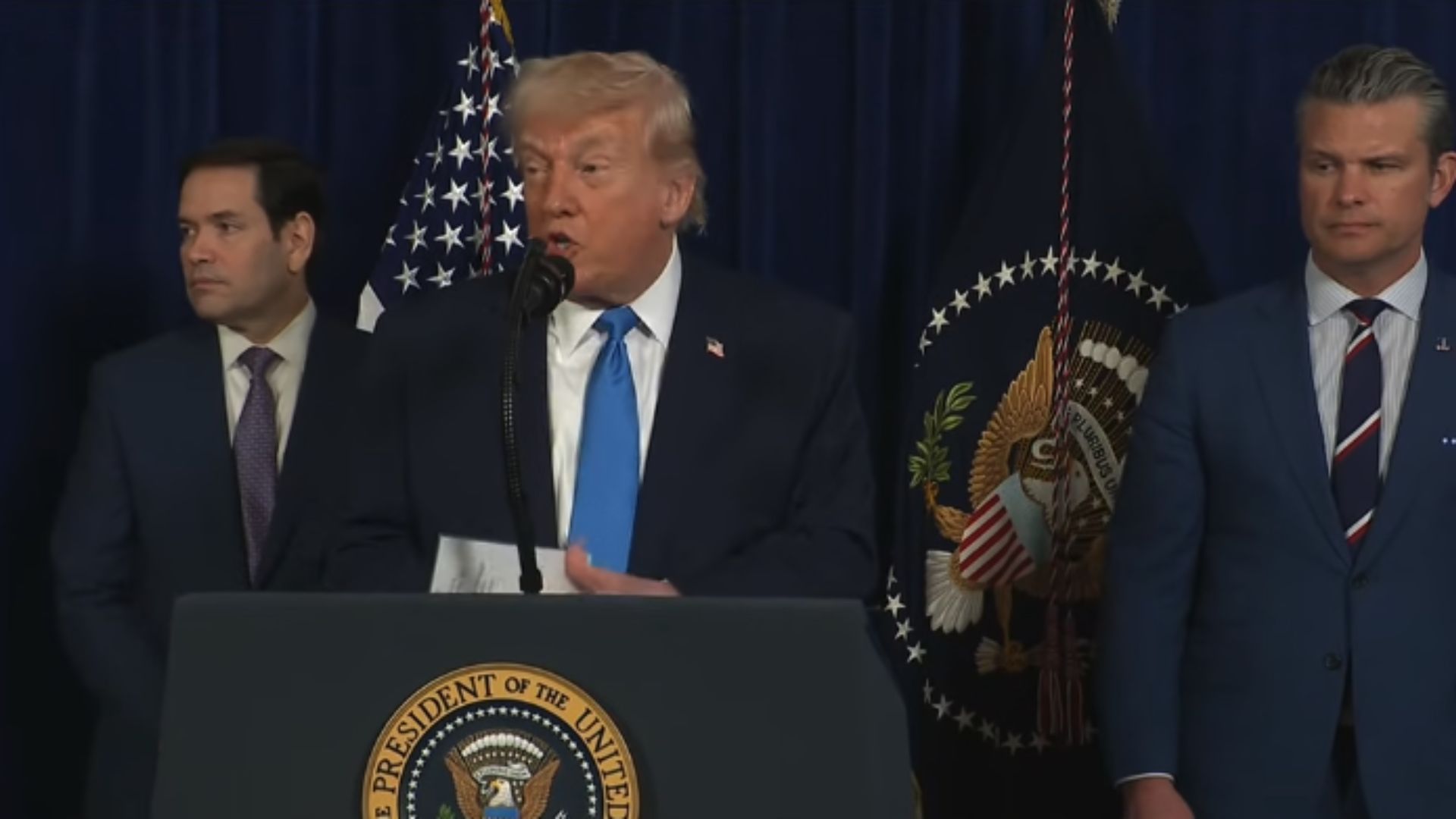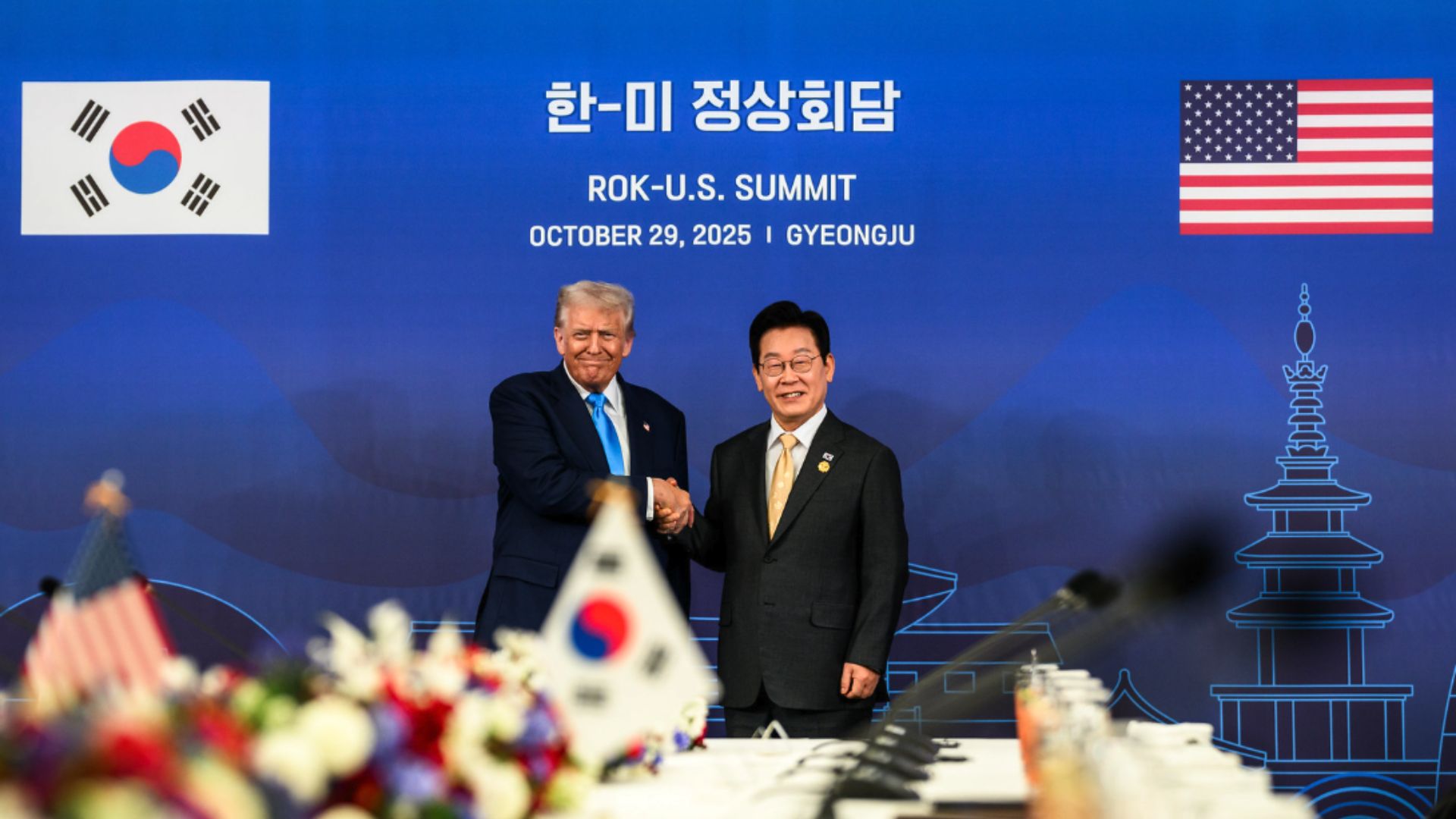
[VT – the Republic of Korea, October 29, 2025] The United States and the Republic of Korea signed a Memorandum of Understanding (MOU) on the U.S.-ROK Technology Prosperity Deal on October 29, 2025, marking a major step forward in bilateral cooperation on science and technology. The agreement lays the foundation for joint innovation in artificial intelligence, 6G telecommunications, quantum technology, biotechnology, and space exploration — advancing what both sides call a “new Golden Age of Innovation.”
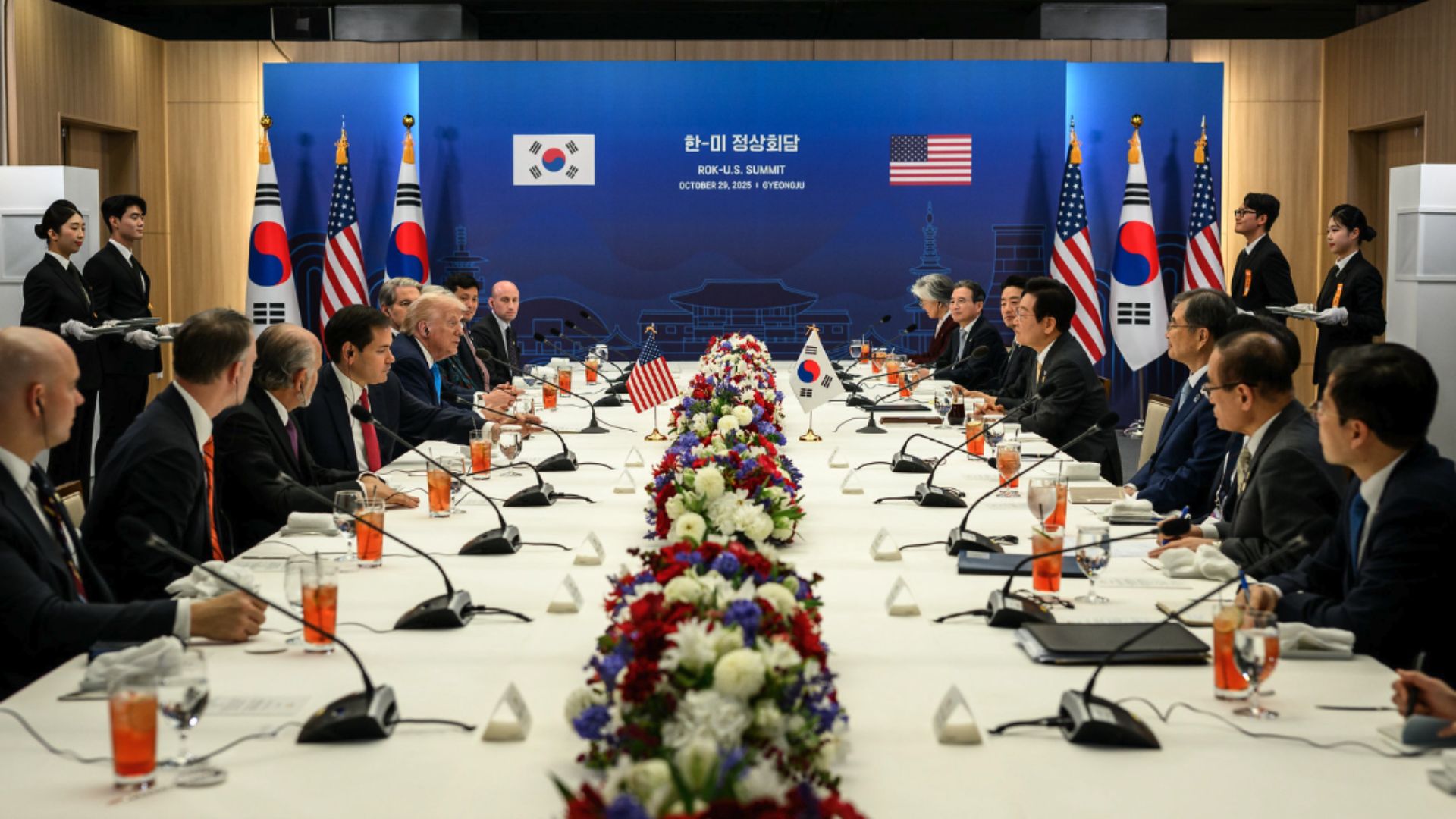
Forging a New Technological Alliance for Freedom and Prosperity
According to the White House, the MOU reflects a shared vision to strengthen freedom, prosperity, and stability through innovation. It elevates the U.S.-ROK alliance beyond traditional security cooperation, focusing instead on the technologies that will define the global economy of the future.
Both governments affirmed that science and technology collaboration will not only enhance citizens’ well-being and economic opportunity, but also play a vital role in sustaining peace and stability across the Indo-Pacific region.
Artificial Intelligence at the Core of Cooperation
The MOU’s central focus is artificial intelligence (AI) — viewed by both nations as a transformative driver of progress across health care, manufacturing, and education.
Under the agreement, the United States and Korea will:
- Accelerate AI research and development through cooperation among key agencies such as the U.S. National Science Foundation (NSF), the National Research Foundation of Korea (NRF), and the Institute of Information and Communication Technology Planning and Evaluation (IITP);
- Promote pro-innovation AI policy frameworks to ensure safe and responsible adoption of AI technologies;
- Coordinate AI exports across the full technology stack — including hardware, models, software, and standards;
- Explore regional AI export collaboration to promote a trusted AI ecosystem across Asia;
- Strengthen AI protection measures and align standards for critical and emerging technologies;
- Enhance cooperation between the U.S. Center for AI Standards and Innovation and the Korea AI Safety Institute, focusing on AI metrology, standards development, and safety research;
- Support AI education and digital literacy initiatives through participation in the “Fostering the Future Together” global initiative launched by First Lady Melania Trump.
Expanding Trusted Technology Leadership
Beyond AI, the MOU outlines wide-ranging collaboration to build trusted technology leadership in critical and emerging sectors:
Research Security
Both nations will expand cooperation to protect research integrity, develop security capacity across universities and industry, and coordinate threat analysis in key technology areas.
6G and Advanced Telecommunications
The United States and Korea will jointly pursue research on next-generation telecommunications, aiming to build secure and interoperable 6G supply chains and strengthen their influence in global standards bodies.
Biotechnology and Pharmaceutical Supply Chain Resilience
The two sides will work together to secure intellectual property and innovation ecosystems, identifying vulnerabilities and improving resilience across all stages of biomedical research and production.
Quantum Innovation
The MOU positions both countries to lead in quantum science, establishing trusted and interoperable standards, enhancing institutional collaboration, and securing the quantum supply chain.
Basic Research and STEM Exchange
Both sides will promote participation in large-scale scientific projects and support researcher exchanges to deepen fundamental science cooperation.
Space Exploration Cooperation
Recognizing the importance of civil space research, the United States and Korea will continue collaboration on NASA’s Artemis program, including Korea’s planned cubesat rideshare on Artemis II, cooperation under NASA’s Commercial Lunar Payload Services (CLPS), and the Korea Positioning System (KPS) to ensure interoperability with GPS and commercial Low Earth Orbit platforms.
Implementation and Legal Nature
The MOU enters into effect upon final signature and may be modified by mutual written consent. Either party may terminate the agreement with written notice, effective 180 days after delivery.
Implementation will be guided through the U.S.-ROK Joint Committee Meeting mechanism.
The document explicitly states that it does not create any legally binding obligations, nor does it alter existing agreements or commit either side to financial expenditure. Cooperation will occur within national legal frameworks and existing international commitments.
A Strategic Milestone in the U.S.-ROK Alliance
Analysts note that the MOU represents more than a scientific partnership — it is a strategic framework for innovation-driven security and economic resilience in the Indo-Pacific region. Following similar Technology Prosperity Deals with the United Kingdom and Japan, this agreement further solidifies the U.S. network of allied innovation partners.
By aligning AI governance, 6G development, quantum standards, and research protections, Washington and Seoul are building a foundation for trusted, open, and secure technological leadership in the 21st century.
U.S. officials hailed the signing as a historic step in transforming the U.S.-Korea alliance into an engine of global innovation. The agreement underscores the shared belief that technological cooperation is essential to sustaining prosperity, protecting freedom, and preparing future generations for the challenges of the digital age.